
Writing
Essays, research, biographies, interviews and translations on the curriculum, pedagogy and scholars of the Farangī Maḥall and Khairābād.
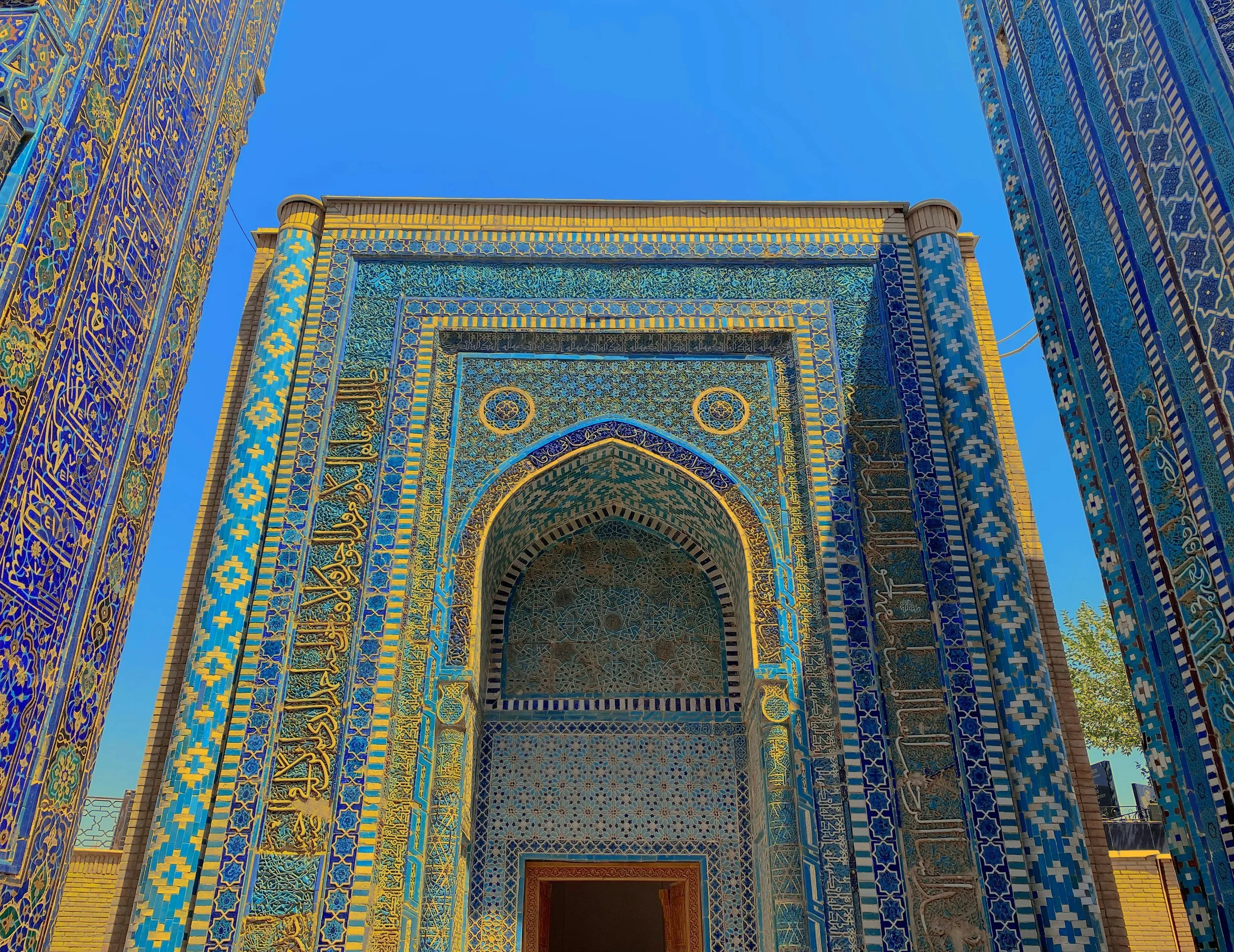
The Value of Classical Texts: Mīzān al-Ṣarf in the Modern Classroom
Mīzān al-Ṣarf is one of the most foundational texts in the science of Arabic, taught continuously for approximately six centuries and chosen by Mullā Niẓām al-Dīn al-Sihālwī as the first work in the Dars-i Niẓāmī curriculum. In this article, we examine why classical texts like Mīzān al-Ṣarf continue to hold their place in the tradition, explore the disputed question of its authorship, and reflect on what it means to revive these classical primers in the modern age for a new generation of students.
The Mudarris: A Forgotten Class of Islamic Scholarship
The mudarris was a distinct class of scholars within the late-classical Islamic tradition, recognised and remembered through their primary duty: producing the next generation of scholars. This piece looks at how the Khairābādī teachers approached tadrīs, the practice of muṭālaʿah, and what their own students recorded about them.
How the Tradition Designed Its Entry Points
One difficulty students commonly face when entering a new subject is the weight of initial access. This is where late-classical curricula designed by specialist scholars of pedagogy distinguish themselves.

The Traditional Curriculum and the Question of Comprehension
A common suggestion is that seminary students lack comprehension practice and would benefit from reading widely in English on the subjects they study. This short article examines the assumption behind this claim, and considers what the traditional curriculum actually demands of the student who engages with it properly.
Why Methods of Studying Arabic Differ
Different approaches to studying Arabic are designed to lead to different outcomes. Some focus on spoken fluency, others provide only partial access to classical texts, while certain curricula are structured to offer systematic entry into the classical tradition.
This blog explores why these methods differ, and explains how the Farangī Maḥall curriculum was designed as a foundational pathway for the study of classical Arabic, with clearly defined aims and progression.

The Place of Logic in the Farangī Maḥall and Khairābād
When later observers encounter the prominence of logic and the rational sciences at the Farangī Maḥall and Khairābād, they often reach for a familiar explanation: rationalism.
Yet the intellectual world that produced these curricula operated with very different principles concerning knowledge, the hierarchy of the sciences, and scholarly formation.
Recovering that world changes how we read their pedagogy—and how we understand their tradition.
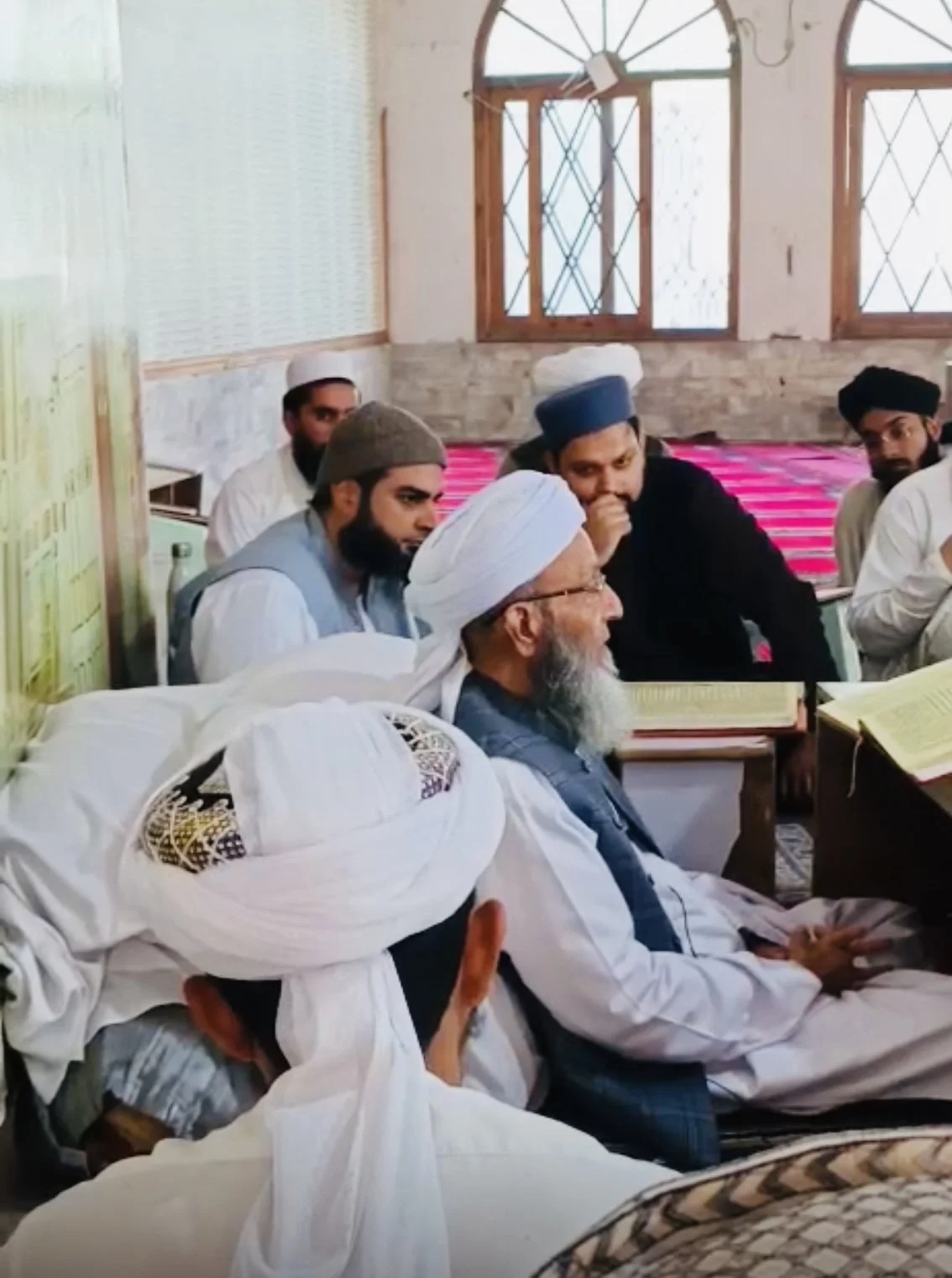
Teaching Toward Mastery: The Khairābādī Pedagogy of the Rational Sciences
During a recent visit to KPK, Shaykh Mubashir had the opportunity to sit in the classes of Shaykh al-Ḥadīth Faḍl al-Subḥān al-Qādirī al-Khairābādī, observing the Khairābādī method of instruction through the study of core texts in logic and kalām, and considering what this living tradition offers students of the rational sciences today.
Beyond Bureaucracy: Reclaiming the Intellectual Aims of the Maʿqūlāt Tradition in the Farangī Maḥall
In an age where external frameworks are often imposed on the Islamic tradition, some academic narratives subtly distort the objectives of our institutions.
This piece critically examines one such case: the reductionist portrayal of the Dars-i Niẓāmī and the maʿqūlāt sciences as tools for bureaucratic training. Through close analysis, it exposes how such claims misrepresent a living tradition shaped by centuries of rigorous intellectual inquiry.
Manṭiq Sādhaj and Manṭiq Mamzūj in the Farangī Maḥall Tradition: Their Distinction and the Primers of Mīr Sayyid
One of the tragedies of our time is the loss of those disciplines upon which the acquisition of most other fields of knowledge depends. Among these essential sciences is logic. Traditionally, it was not possible to progress through the curriculum without mastering logic.
In this article, learn about the books of logic studied in the Farangī Maḥall tradition, dispel common misconceptions, and explore the distinction between Manṭiq Sādhaj and Manṭiq Mamzūj.
You will also find good news about what is coming soon to the Khairabadi Institute, including Mīr Sayyid al-Jurjānī’s primers in logic and a brief synopsis of their lasting significance.
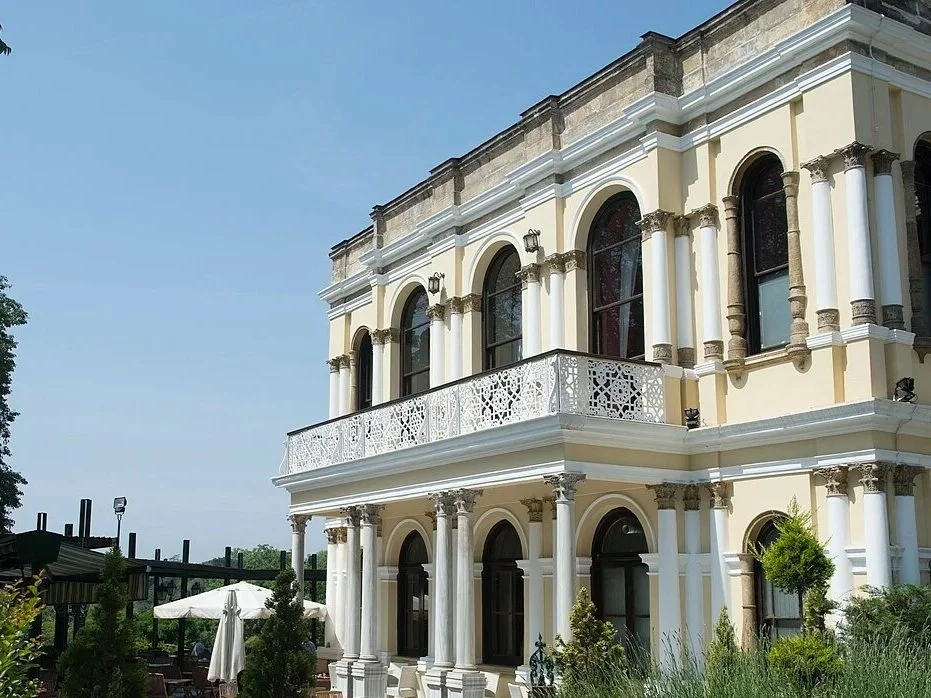
Beyond Modern Reform: What Sultan ʿAbdul Ḥamīd’s Library Teaches Us
The implications of abandoning teaching methodologies that have been tested, verified, and refined over centuries leads to abandoning the books in the classical syllabi.
What lessons does Sultan Abdul Hamid II’s private library at Yildiz palace teach us?
Learn more about this and see photos of the Sultan’s personal library and manuscripts.
Verified Solutions to Modern Intellectual Anxieties
Days ago, I concluded a one-hour conversation with a student of Khairabadi Institute, who shared some objections made against the Khairābādī-Farangī Maḥallī methodology of teaching. The core of the argument was its supposed irrelevance and the claim that it has been eclipsed by superior methods, rendering this pedagogical framework obsolete. Thankfully, the objections and their corresponding responses, along with related discussions, have been thoroughly documented, and I now present them to you.
A New Path in Online Islamic Education
At Khairabadi Institute (KI) we are acutely aware of the tendency of some to simply adopt a piece of technology or teaching style because it is what others are doing. We are also aware of the tendency to ignore any pedagogical or technological developments unless the teacher or institution is forced to use them. What we proposed is a measured and considered approach to online pedagogy. One might wonder, however, why does KI place such a strong emphasis on pedagogy? The answer is simple: how ideas are taught affects their reception. We thus reason that if we are able to ensure reliable transmission, we are ever closer to developing better students.
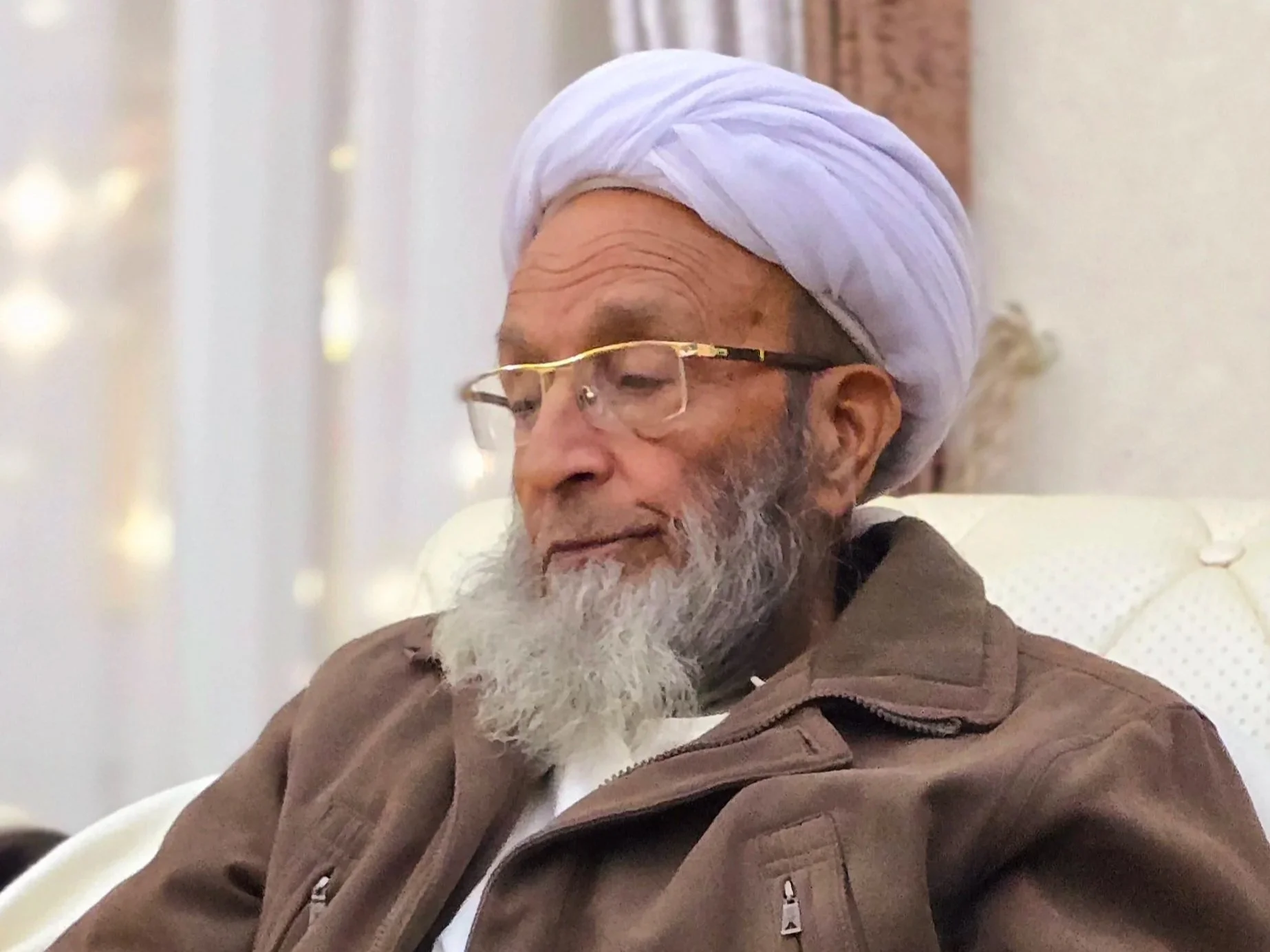
Mufti Fazl-i Subhān al-Qādirī on His Khairābādī Tutor
Remarkably, the man he discusses in this clip (link at the bottom) was one of the last century's prominent Ma’quli (intellectual) scholars who promoted the Khairābādī tradition throughout Pakistan.
Recognising the Relevance of Our Tradition
Initially, Dars-i Nizāmī was not just a curriculum but a pedagogy—a method of teaching and learning that focused on developing intellectual depth. After preparing a specific portion of a text, students would study it not by mere memorisation but by researching and uncovering the underlying principles embedded within it.
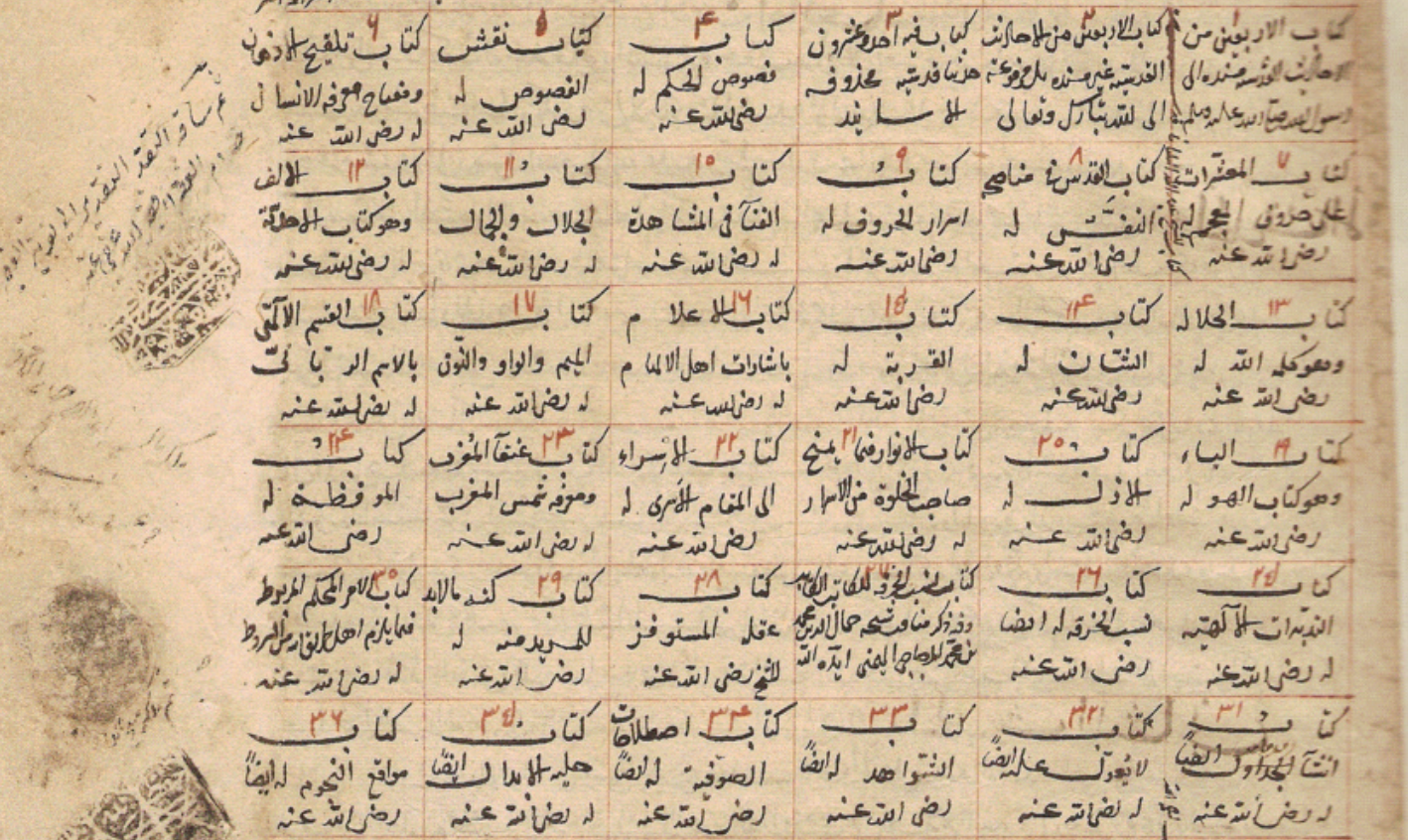
The Spirit of the Farangī Maḥall
Every Islamic tradition possesses a unique essence, a distinct quality or spirit that defines its identity. Within the Farangi Mahall intellectual tradition, this essence finds its embodiment in the figure of "The Greatest Shaykh, Muhyi al-Din Ibn 'Arabi, may Allah sanctify his secret. Central to the Farangi Mahall tradition stands 'Abd al-'Ali, renowned as Bahr al-'Ulum.
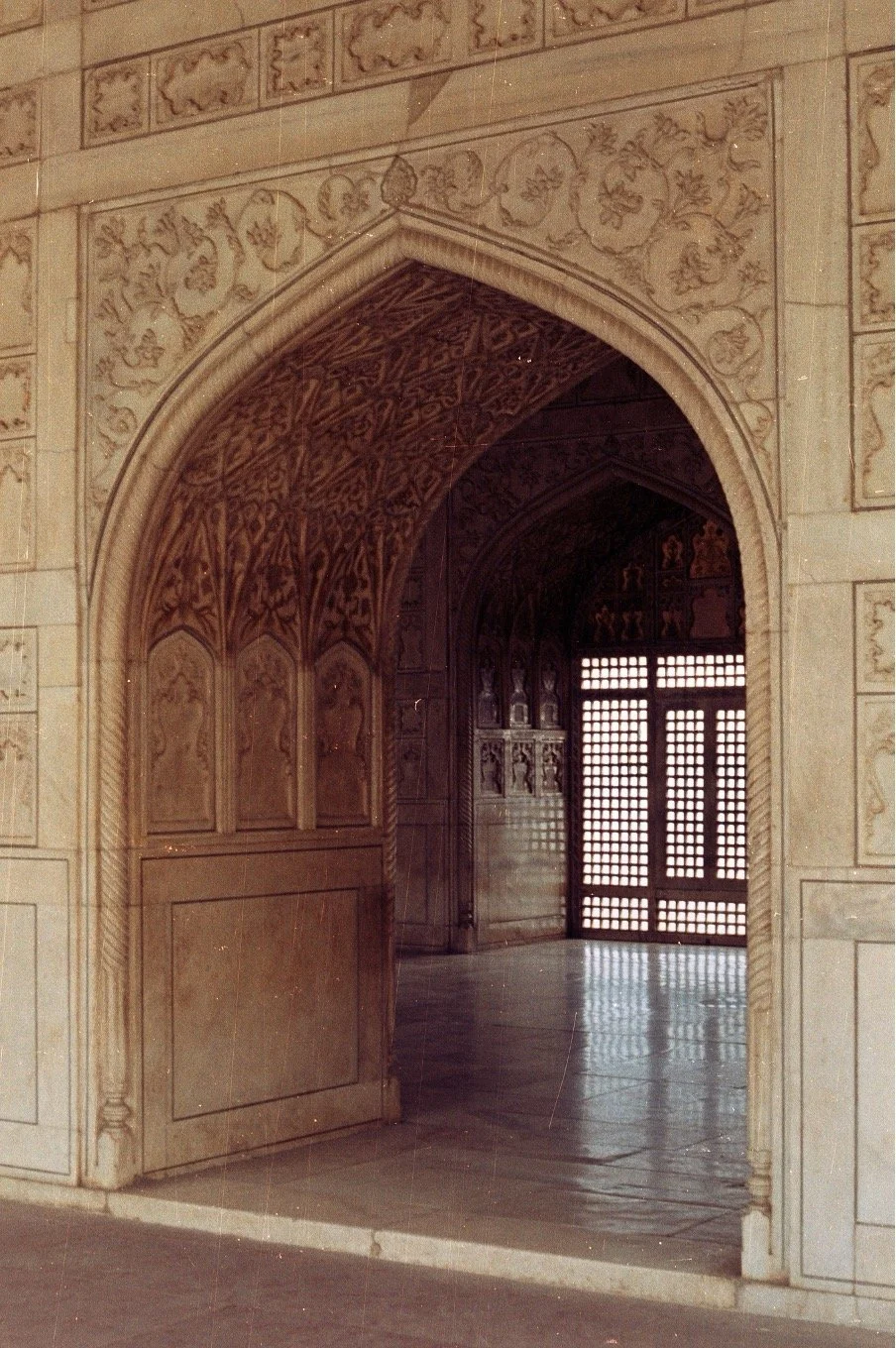
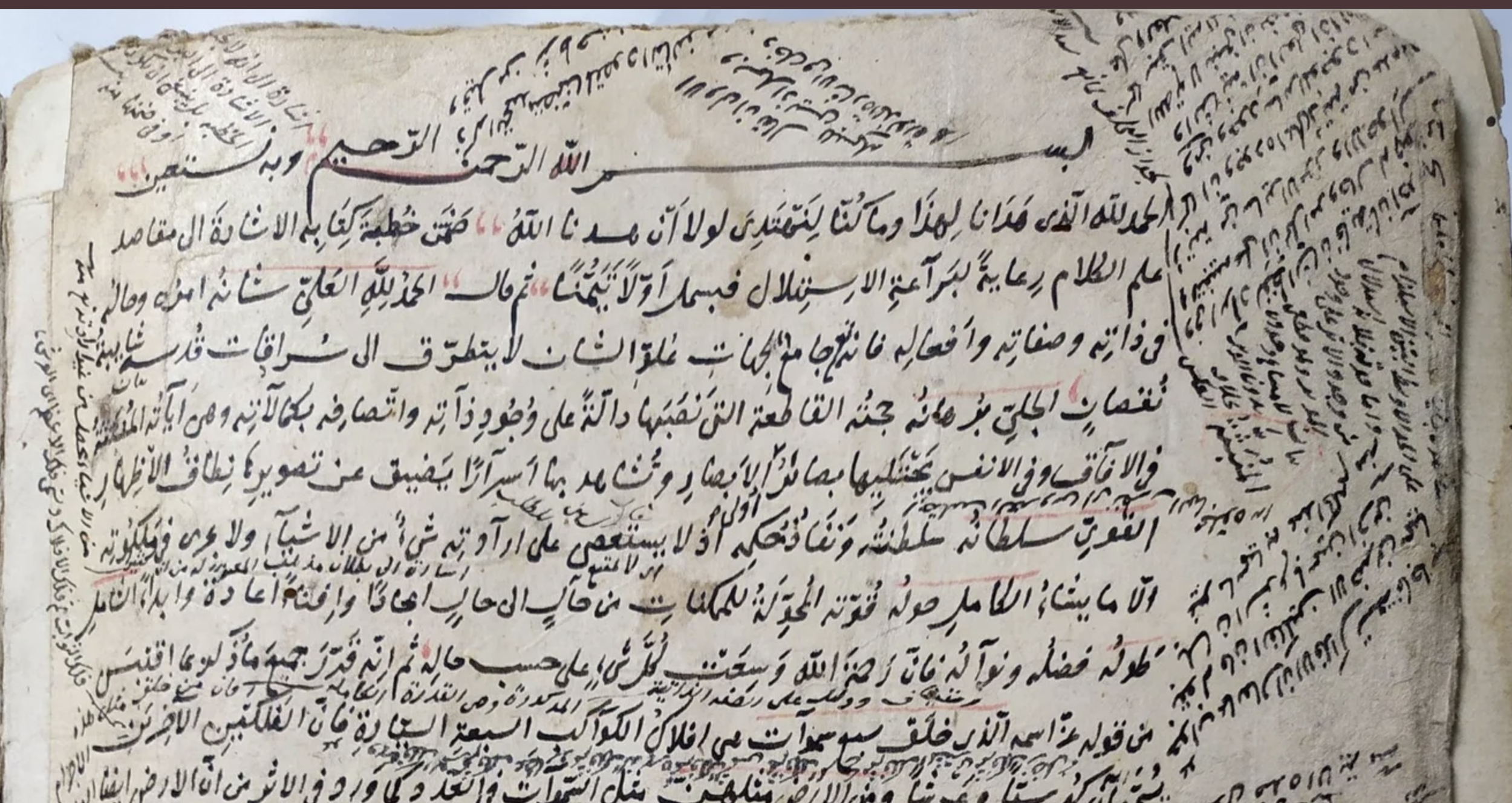
Al-Iji’s ‘al-Mawaqif’ in the Indian Subcontinent
Qādi Aḍud al-dīn al-Ījī’s renowned work, ‘al-Mawāqif fī ‘ilm al-kalām’, and its accompanying commentaries emerged as pivotal texts within the Sunnī madrasa curriculum from the fourteenth century CE onwards.
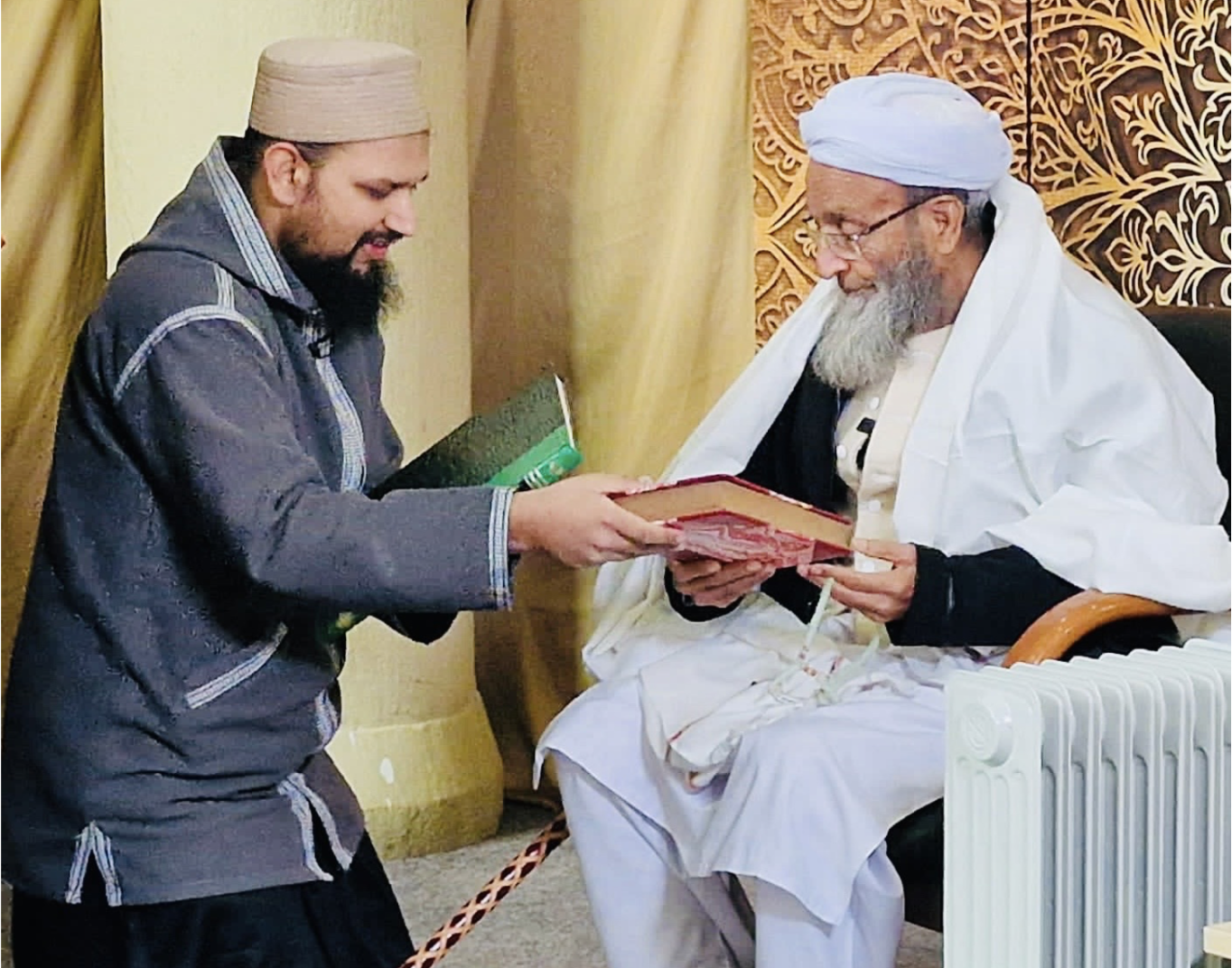
Beyond Logic
Traditional Sunni Kalam is a paradigm of thinking that aligns with truth and provides rational explanations for theological concepts. It arose in response to heretical beliefs and groups.
Ibn ʿArabī’s Influence on the Farangī Maḥallīs
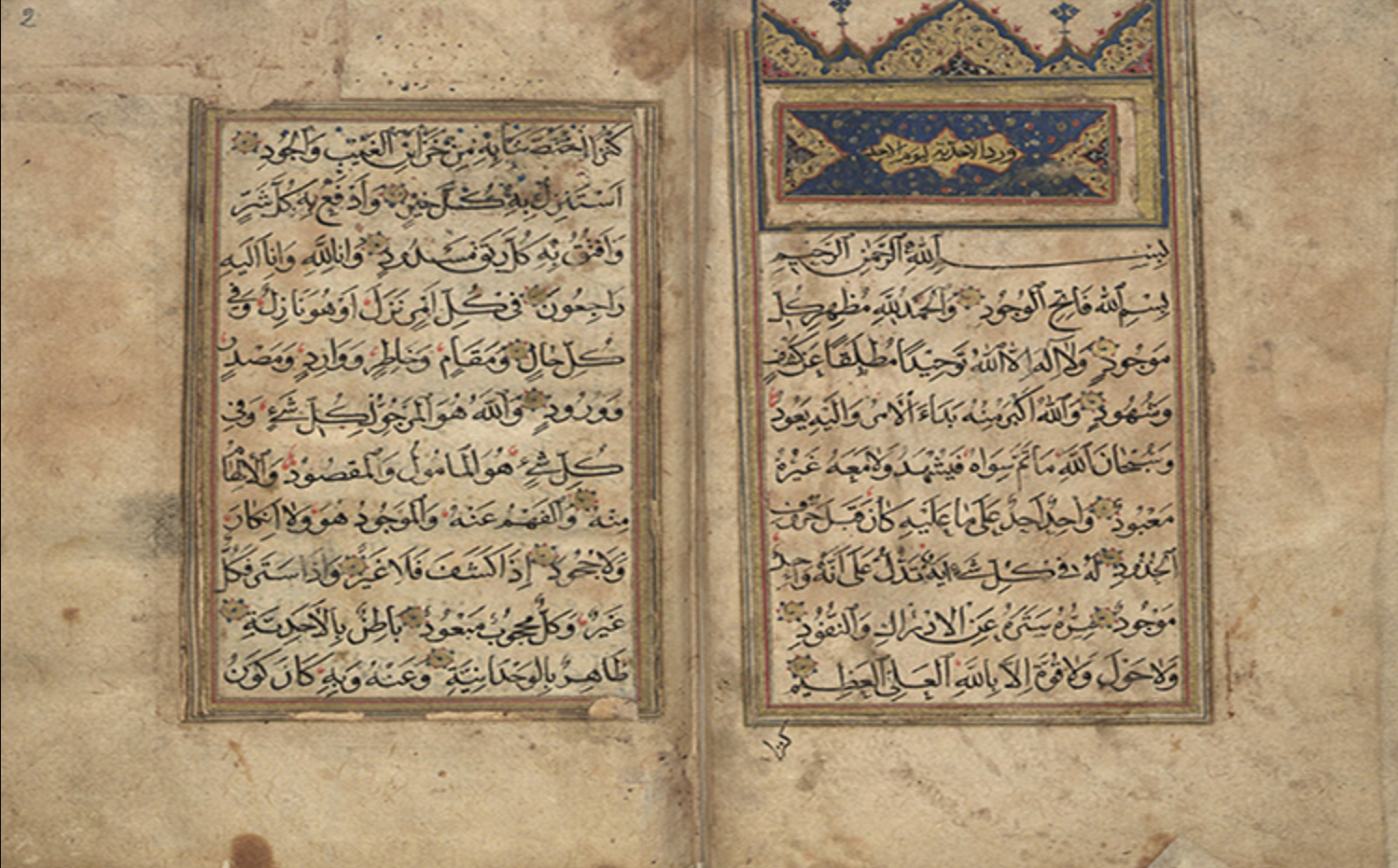
The scholars of the Farangi Mahall and the Khairabadis held a deep reverence for al-Shaykh al-Akbar ibn Arabi. Mullā Nizāmuddīn, the namesake for the Dars-i-Nizāmī curriculum and a follower of the Chishti Sufi order, was known to teach the Fusus al-Hikam of Shaykh Muhyiddin Ibn Arabi.