Courses · Writing · Talks · Podcast
The classical scholarship of the Subcontinent, taught through the Khairābādī method.
Arabic, logic and kalām from the Farangī Maḥall curriculum, taught by scholars with an unbroken chain of transmission. Study live or at your own pace, from anywhere.
Where to begin
See the full curriculum mapStage one · Foundations
Core primers (start here)
If you have not yet studied the foundational texts of morphology, syntax and logic, begin here before moving on to theological texts.
-
Farangī Maḥall Arabic Primers
Mīzān al-Ṣarf, Munshaʿib and Naḥw Mīr. Now enrolling.
-
Ṣughrā & Kubrā in Logic
Mīr Sayyid Sharīf al-Jurjānī's two primers, in Persian and English.
Stage two · Intermediate
-
al-Musāyarah
Ibn al-Humām on the Essence of Allah: the first Integral, in kalām. Best begun after the primers.
-
Mirqāt, with the Ifādāt of ʿAllāmah ʿAbd al-Ḥaqq Khairābādī
Details to be announced in December
The intermediate books of the Dars-i Niẓāmī, from Nūr al-Anwār, Sharḥ al-ʿAqāʾid (with Ḥāshiyat al-Khayālī), Sharḥ al-Tahdhīb, Sharḥ al-Shamsiyyah (with Mīr Quṭbī), Hidāyat al-Naḥw, Kāfiyah, ʿIlm al-Ṣīghah, Fuṣūl-i Akbarī and Sharḥ al-Wiqāyah onward. Courses at this stage will be announced here.
Stage three · Advanced
The later books of the Dars-i Niẓāmī, from Sullam al-ʿUlūm, Mīr Zāhid Umūr ʿĀmmah, Musallam al-Thubūt, al-Tawḍīḥ wa-l-Talwīḥ, Mukhtaṣar al-Maʿānī, al-Muṭawwal, al-Zawāhid al-Thalāthah and al-Hidāyah onward. Courses at this stage will be announced here.
The advanced textsWriting
All writing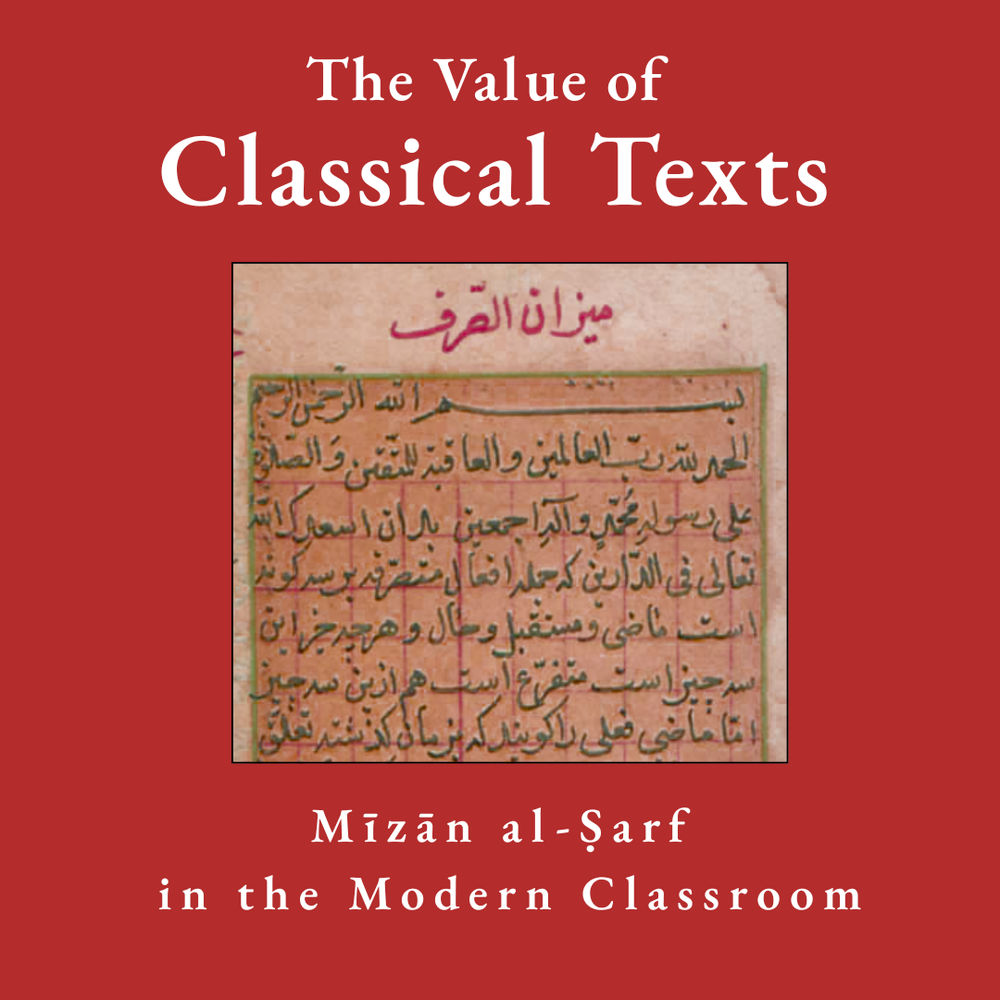
Sacred Roots Podcast
All episodes-
Episode · Kalām
Who Are the Māturīdīs?
-
Episode · Kalām
Why Kalām Matters
Founder
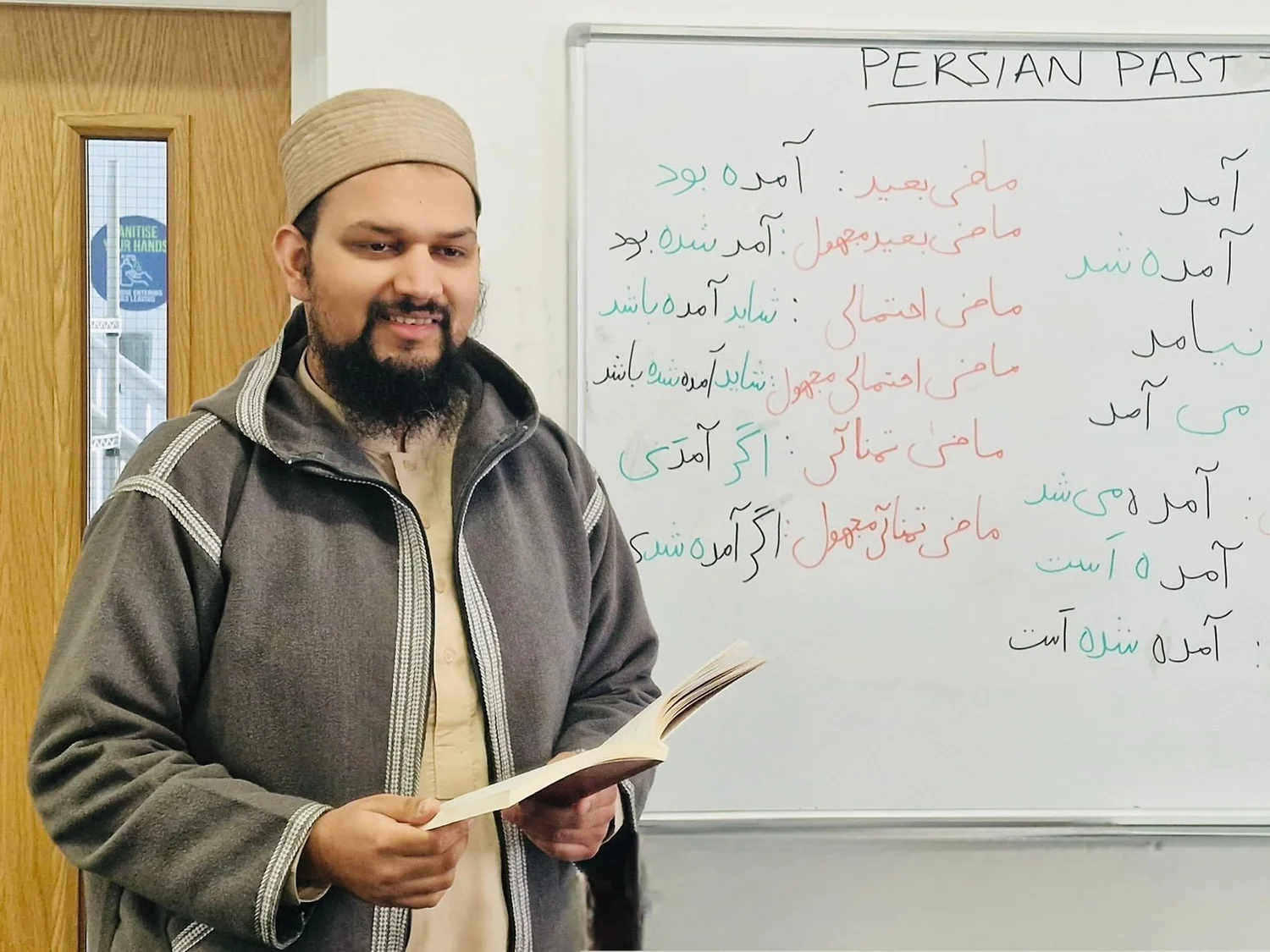
Mudarris Muhammad Mubashir Iqbal
Mudarris Muhammad Mubashir Iqbal teaches within the Khairābādī and Farangī Maḥallī pedagogical tradition, focusing these days on structured entry into the classical sciences.
He began his studies at eleven and spent a decade at Jamia Al-Karam, before continuing in the West Midlands at Dār al-Qurrāʾ, at Dār-ul-Ulūm Muhammadiyah Ghawthiyah in Bhera, and at Jamia al-Qādiriyah in KPK, where he completed the final books of the original Dars-i Niẓāmī curriculum.
He holds ijāzas tracing back to ʿAllāmah Faḍl-i Ḥaqq Khairābādī and Mullā Niẓām al-Dīn, and has taught at Greengate Islamic College, Cambridge Muslim College and Manchester Muslim College.
About our teachersFrom our peers
“Mawlānā Mubashir is inspired and aspiring… a person of high aspiration for serving tradition and embodying its high meanings.”
Shaykh Mustafa Styer
“Concepts were explained to us clearly and engagingly, making them accessible even to beginners.”
“He is able to take a book designed for beginners and provide a degree of depth and nuance that brings the listener to appreciate higher-level discussions.”
“The way he taught us Naḥw Mīr and Risālah-yi Kubrā according to the Khairābādī methodology was informative, effective and revolutionary for me.”
Methodology
Who are the Khairābādīs?
In Lucknow, the Mughal Sultan Aurangzeb gave a building, the Farangī Maḥall, to the family of Mullā Niẓām al-Dīn. It became the leading centre of learning in the Subcontinent. The Khairābādī scholars, its main branch, were masters of the textual and rational sciences, above all logic.
The curriculum and its scholars