
Writing
Essays, research, biographies, interviews and translations on the curriculum, pedagogy and scholars of the Farangī Maḥall and Khairābād.
The Value of Classical Texts: Mīzān al-Ṣarf in the Modern Classroom
Mīzān al-Ṣarf is one of the most foundational texts in the science of Arabic, taught continuously for approximately six centuries and chosen by Mullā Niẓām al-Dīn al-Sihālwī as the first work in the Dars-i Niẓāmī curriculum. In this article, we examine why classical texts like Mīzān al-Ṣarf continue to hold their place in the tradition, explore the disputed question of its authorship, and reflect on what it means to revive these classical primers in the modern age for a new generation of students.
The Mudarris: A Forgotten Class of Islamic Scholarship
The mudarris was a distinct class of scholars within the late-classical Islamic tradition, recognised and remembered through their primary duty: producing the next generation of scholars. This piece looks at how the Khairābādī teachers approached tadrīs, the practice of muṭālaʿah, and what their own students recorded about them.
How the Tradition Designed Its Entry Points
One difficulty students commonly face when entering a new subject is the weight of initial access. This is where late-classical curricula designed by specialist scholars of pedagogy distinguish themselves.
The Traditional Curriculum and the Question of Comprehension
A common suggestion is that seminary students lack comprehension practice and would benefit from reading widely in English on the subjects they study. This short article examines the assumption behind this claim, and considers what the traditional curriculum actually demands of the student who engages with it properly.
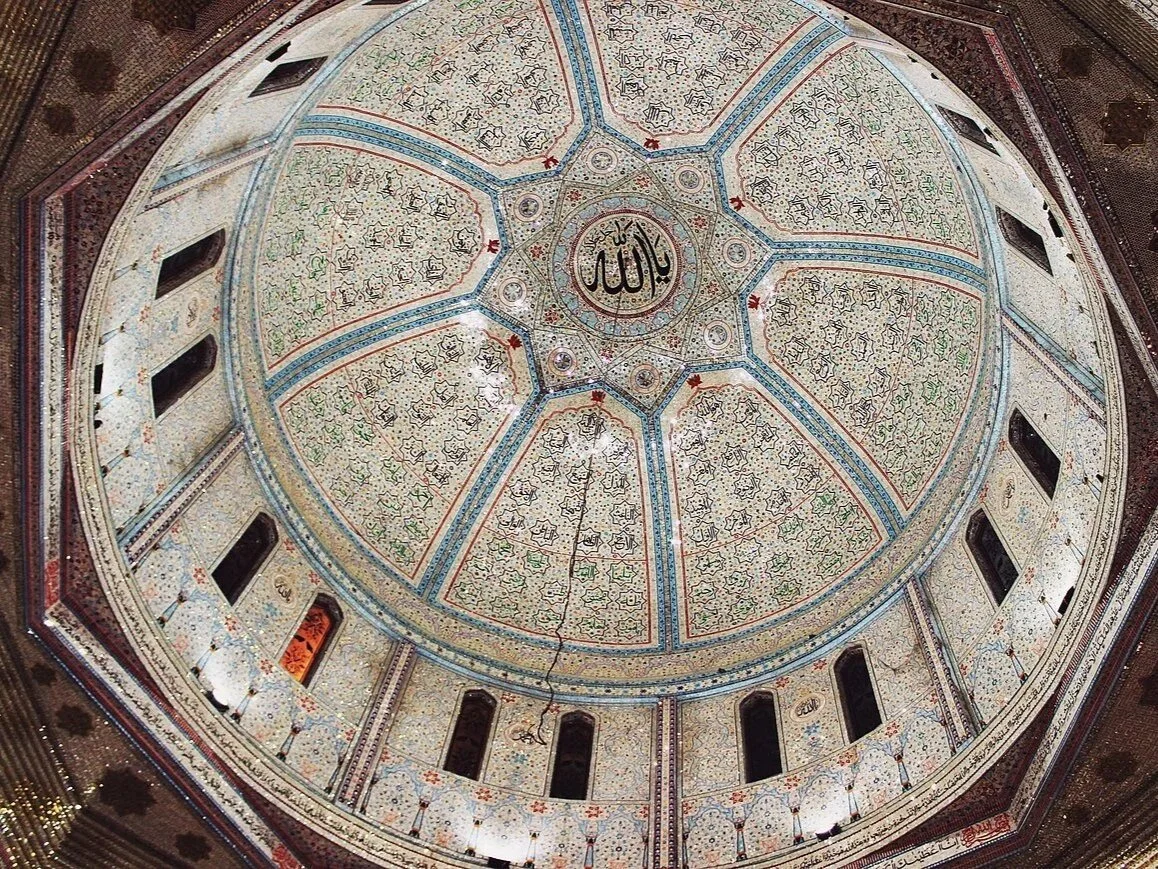
Why Methods of Studying Arabic Differ
Different approaches to studying Arabic are designed to lead to different outcomes. Some focus on spoken fluency, others provide only partial access to classical texts, while certain curricula are structured to offer systematic entry into the classical tradition.
This blog explores why these methods differ, and explains how the Farangī Maḥall curriculum was designed as a foundational pathway for the study of classical Arabic, with clearly defined aims and progression.
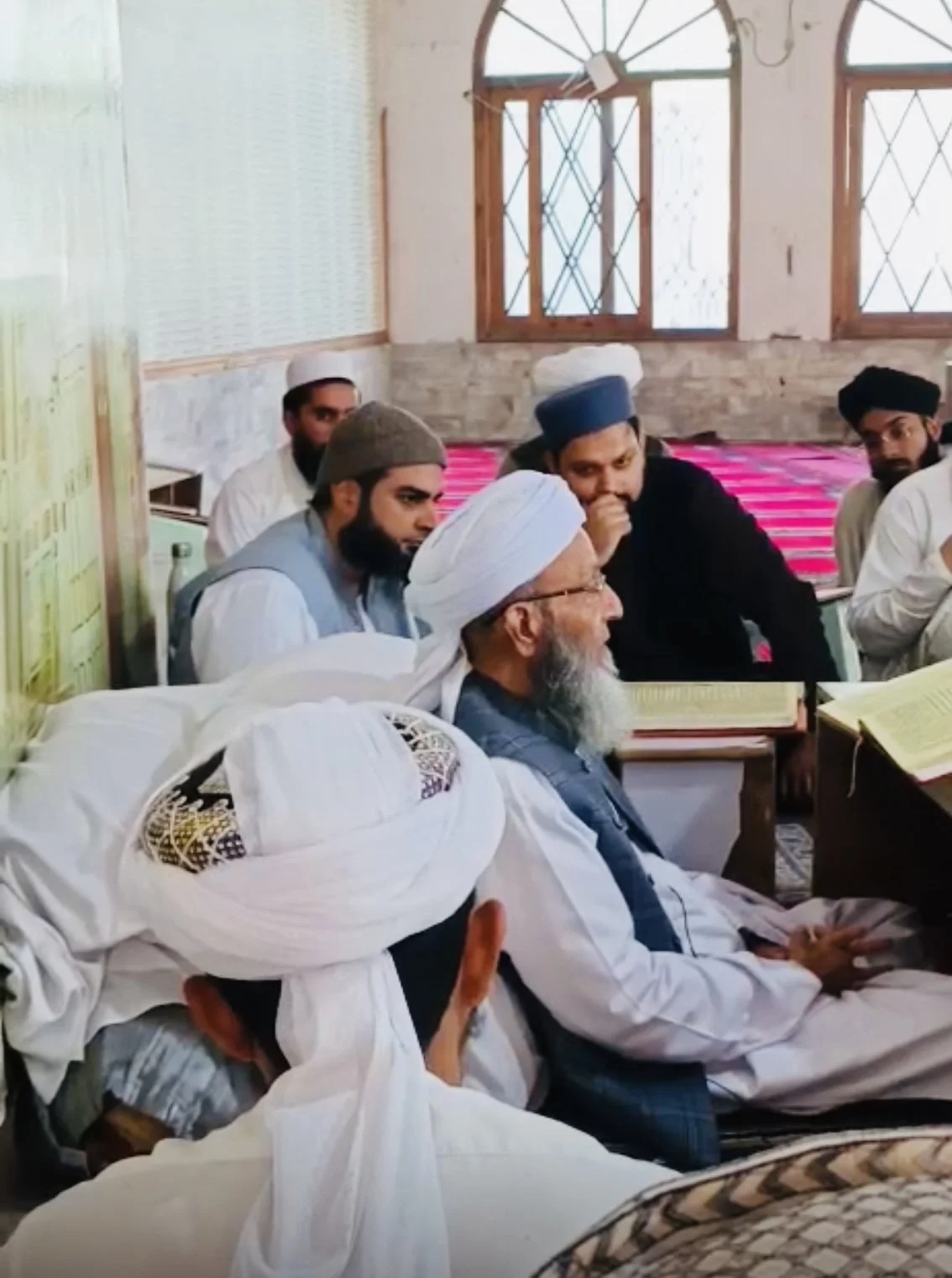
Teaching Toward Mastery: The Khairābādī Pedagogy of the Rational Sciences
During a recent visit to KPK, Shaykh Mubashir had the opportunity to sit in the classes of Shaykh al-Ḥadīth Faḍl al-Subḥān al-Qādirī al-Khairābādī, observing the Khairābādī method of instruction through the study of core texts in logic and kalām, and considering what this living tradition offers students of the rational sciences today.
Beyond Bureaucracy: Reclaiming the Intellectual Aims of the Maʿqūlāt Tradition in the Farangī Maḥall
In an age where external frameworks are often imposed on the Islamic tradition, some academic narratives subtly distort the objectives of our institutions.
This piece critically examines one such case: the reductionist portrayal of the Dars-i Niẓāmī and the maʿqūlāt sciences as tools for bureaucratic training. Through close analysis, it exposes how such claims misrepresent a living tradition shaped by centuries of rigorous intellectual inquiry.
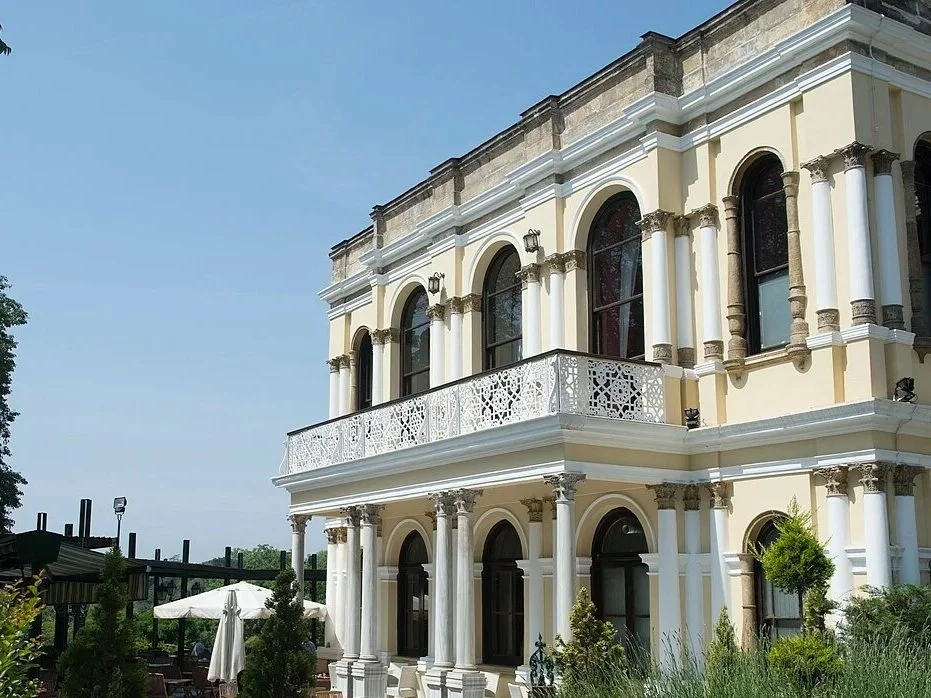
Beyond Modern Reform: What Sultan ʿAbd al-Ḥamīd’s Library Teaches Us
The implications of abandoning teaching methodologies that have been tested, verified, and refined over centuries leads to abandoning the books in the classical syllabi.
What lessons does Sultan Abdul Hamid II’s private library at Yildiz palace teach us?
Learn more about this and see photos of the Sultan’s personal library and manuscripts.
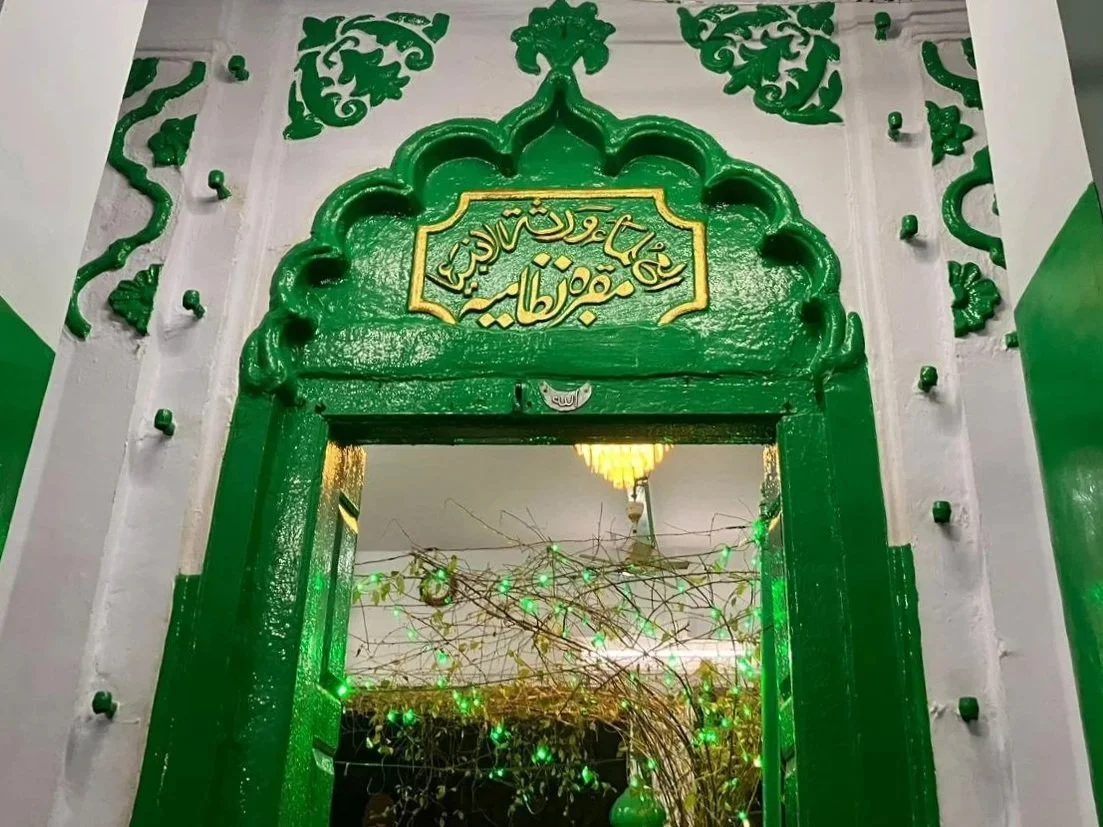
Recognising the Relevance of Our Tradition
Initially, Dars-i Nizāmī was not just a curriculum but a pedagogy—a method of teaching and learning that focused on developing intellectual depth. After preparing a specific portion of a text, students would study it not by mere memorisation but by researching and uncovering the underlying principles embedded within it.
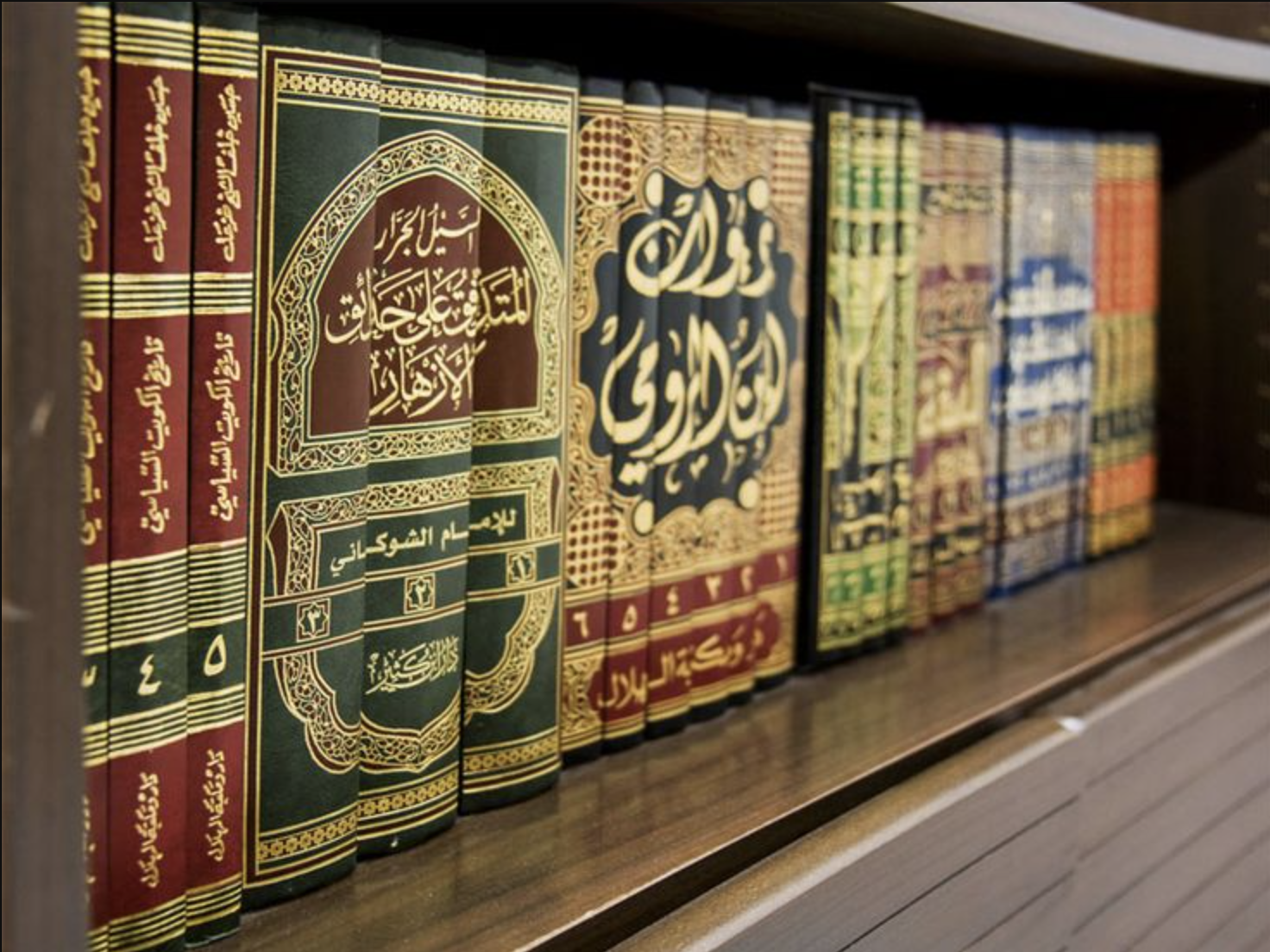
Origins of the Dars-i Niẓāmī
The Indian Subcontinent produced some of the greatest experts of the Islamic Sciences over the course of centuries. A significant contributor to this chain of prestige scholarship, especially in the last few centuries has been the Dars-e-Nizami curriculum, designed by one of the leading scholars of his age, Mulla Nizam al-Din Sihalwi (d. 1747 CE), after whom the curriculum is named.