
Writing
Essays, research, biographies, interviews and translations on the curriculum, pedagogy and scholars of the Farangī Maḥall and Khairābād.
The Mudarris: A Forgotten Class of Islamic Scholarship
The mudarris was a distinct class of scholars within the late-classical Islamic tradition, recognised and remembered through their primary duty: producing the next generation of scholars. This piece looks at how the Khairābādī teachers approached tadrīs, the practice of muṭālaʿah, and what their own students recorded about them.
Chronicles of the Khairābādī Family
This is a documented paper on Khairābād and the Khairābādī scholarly tradition, outlining the lives, works, and intellectual legacy of major scholars — both male and female — from the late-Mughal period and the Khairābādī lineage.
Features 80+ footnotes, including dozens of biographical notes on late-Mughal scholars and Khairābādī figures, alongside documentation of curriculum, pedagogy, manuscripts, and scholarly transmission.
The Place of Logic in the Farangī Maḥall and Khairābād
When later observers encounter the prominence of logic and the rational sciences at the Farangī Maḥall and Khairābād, they often reach for a familiar explanation: rationalism.
Yet the intellectual world that produced these curricula operated with very different principles concerning knowledge, the hierarchy of the sciences, and scholarly formation.
Recovering that world changes how we read their pedagogy—and how we understand their tradition.
Mullā Quṭb al-Dīn al-Sihālawī: Scholar, Saint, and Forefather of the Farangī Maḥall
Today marks 333 years since the martyrdom of Mullā Quṭb al-Dīn Sihālawī al-Anṣārī, the fountainhead of the Farangī Maḥall tradition
Anyone who is a scholar or student with subcontinental roots — or who has benefited from the knowledge of its scholars — is indebted to this noble scholar and saint.
In this introductory biography of his life, we have included the full chain of transmission from Mullā Quṭb al-Dīn to Imām Abū Ḥāmid al-Ghazālī, along with images of the farmān issued by Sultām Aurangzeb to the sons of the late martyr.
Beyond Modern Reform: What Sultan ʿAbd al-Ḥamīd’s Library Teaches Us
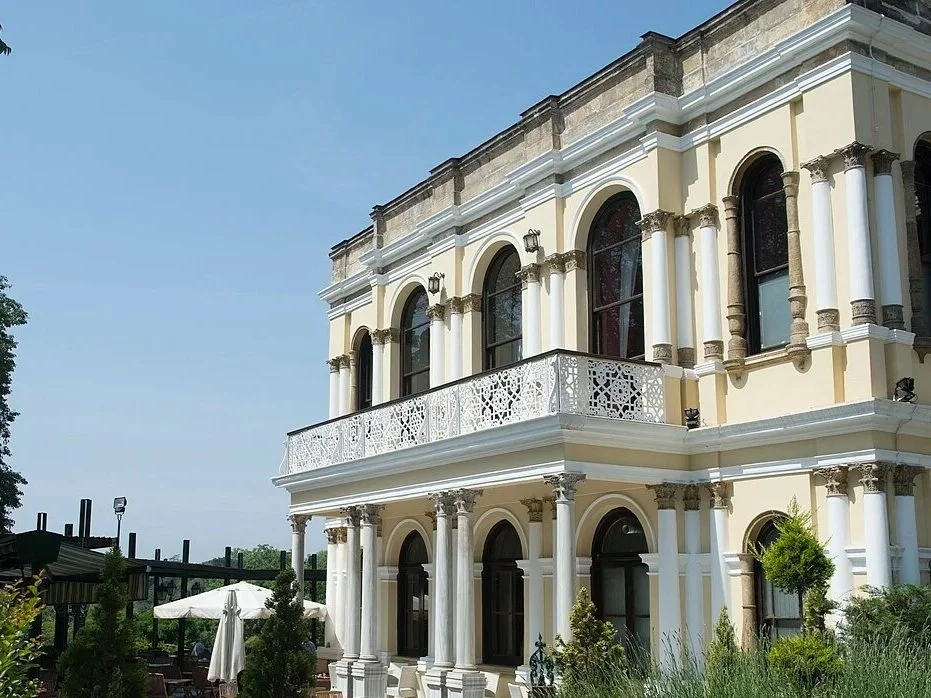
The implications of abandoning teaching methodologies that have been tested, verified, and refined over centuries leads to abandoning the books in the classical syllabi.
What lessons does Sultan Abdul Hamid II’s private library at Yildiz palace teach us?
Learn more about this and see photos of the Sultan’s personal library and manuscripts.
Mufti Fazl-i Subhan al-Qadiri Visits the Imām Māturīdī Complex in Samarkand
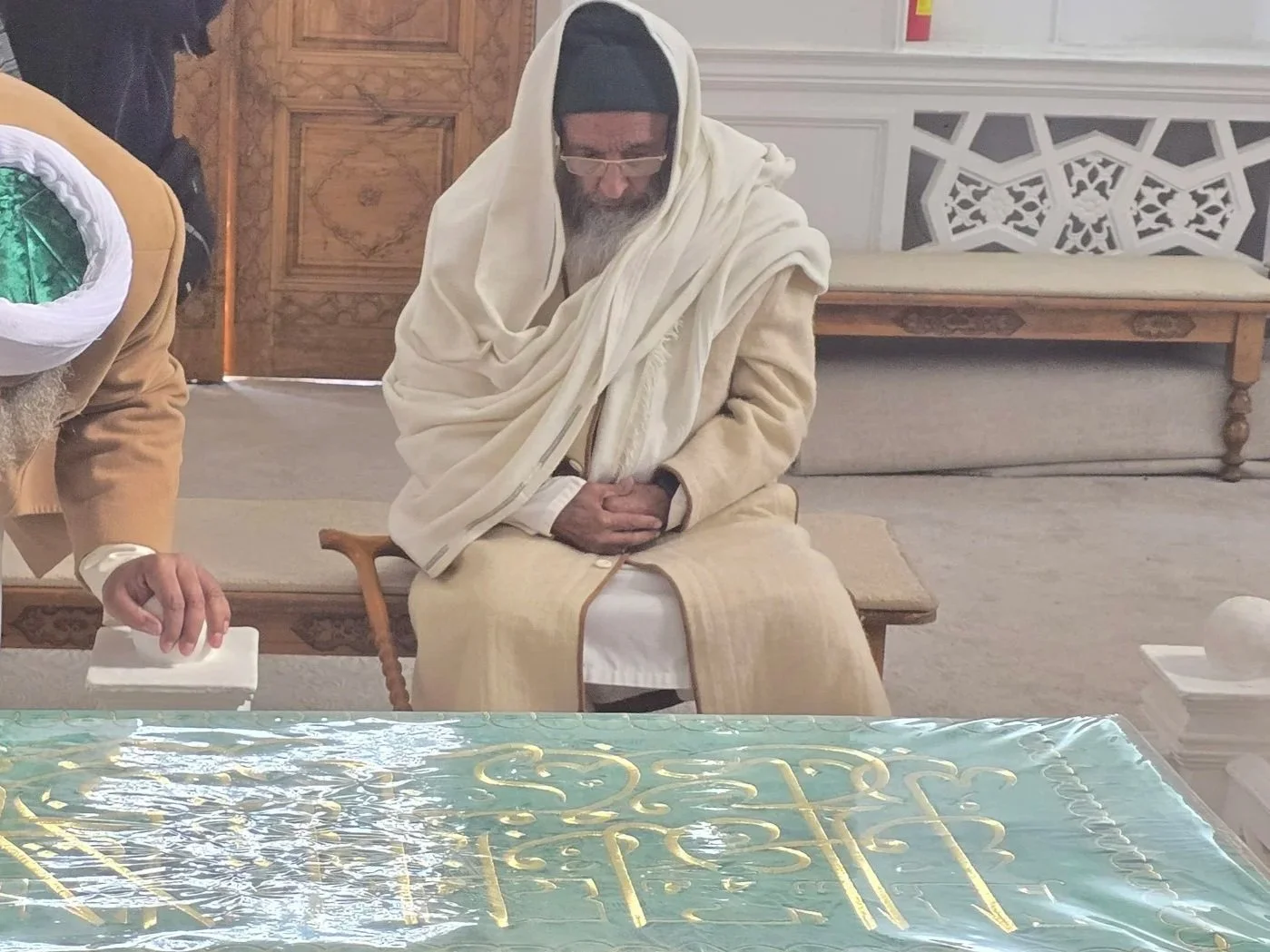
One of the largest neighborhoods in Samarkand is home to a vast cemetery where Imam Maturidi is buried. This neighborhood, known as Chokardiza, serves as the final resting place for many great scholars, Sufis, and prominent jurists. Among them is Imam Abu al-Fath Salih ibn Muhammad al-Sufi, who passed away in the year 532 AH. During his recent trip to Uzbekistan, Mufti Fazl-i Subhan Qadiri paid his respects at the Imam Maturidi complex in Samarkand.
Mufti Fazl-i Subhan al-Qadiri on His Khairābādī Tutor
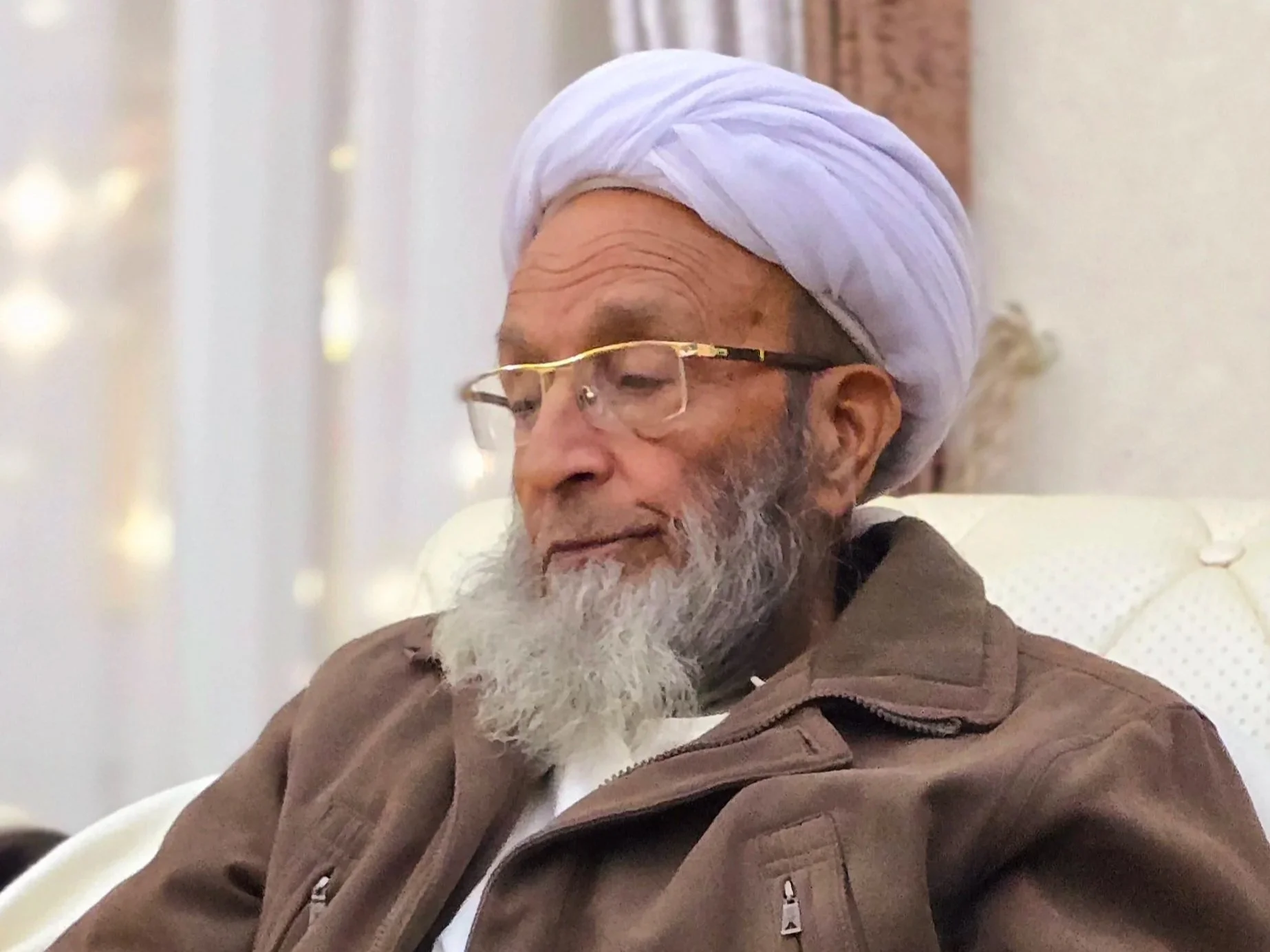
Remarkably, the man he discusses in this clip (link at the bottom) was one of the last century's prominent Ma’quli (intellectual) scholars who promoted the Khairābādī tradition throughout Pakistan.
Exploring the Dīwān of Imām Faḍl-i Ḥaqq Khairābādī
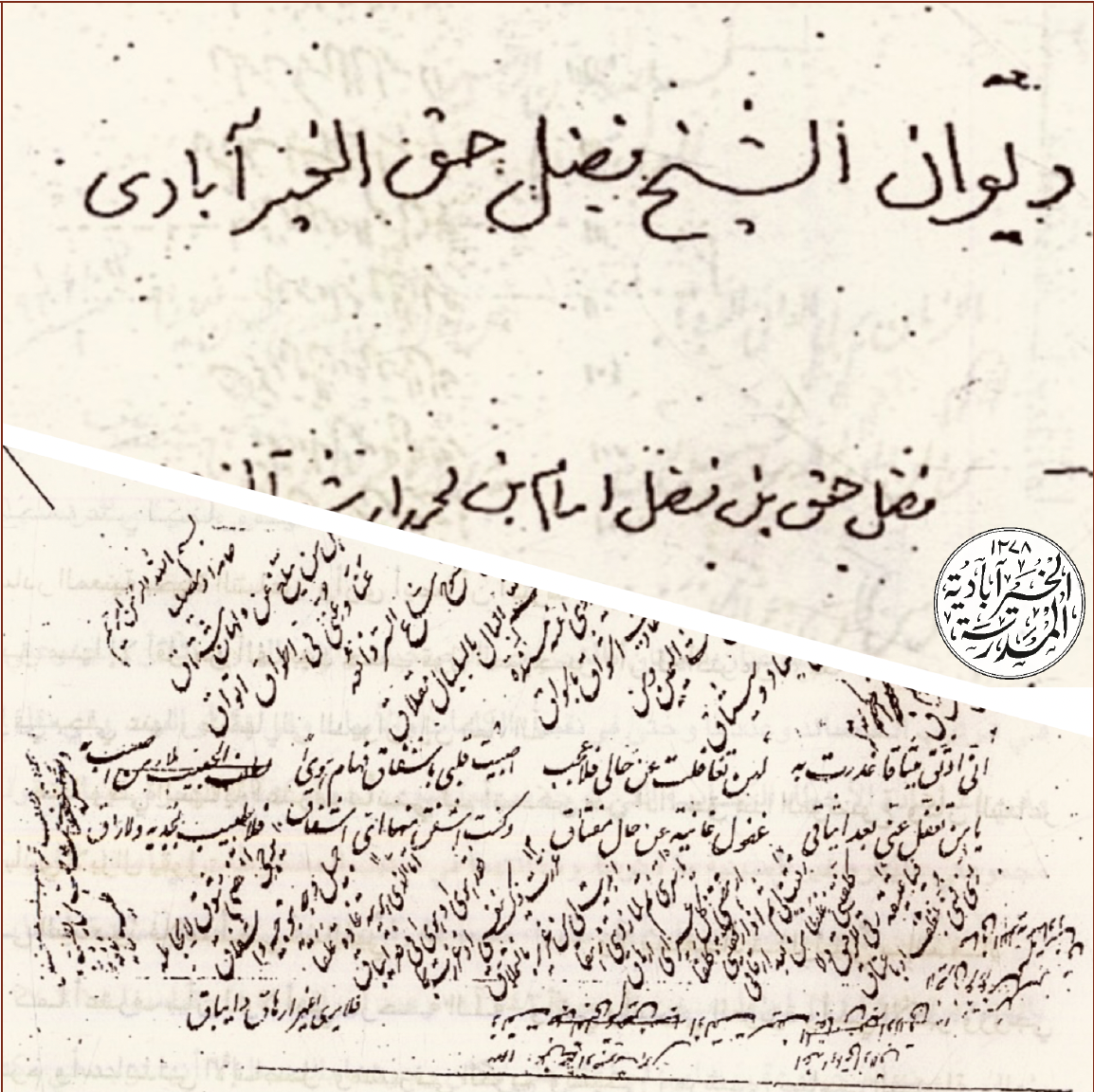
This paper briefly explores ʿImām Khairābādī's Arabic literary prowess, his Dīwān, his adherence to the traditional stylistic conventions of ancient Arabic poetry, his distinctive poetic techniques, and, in particular, the unique nature of his poetic endings.
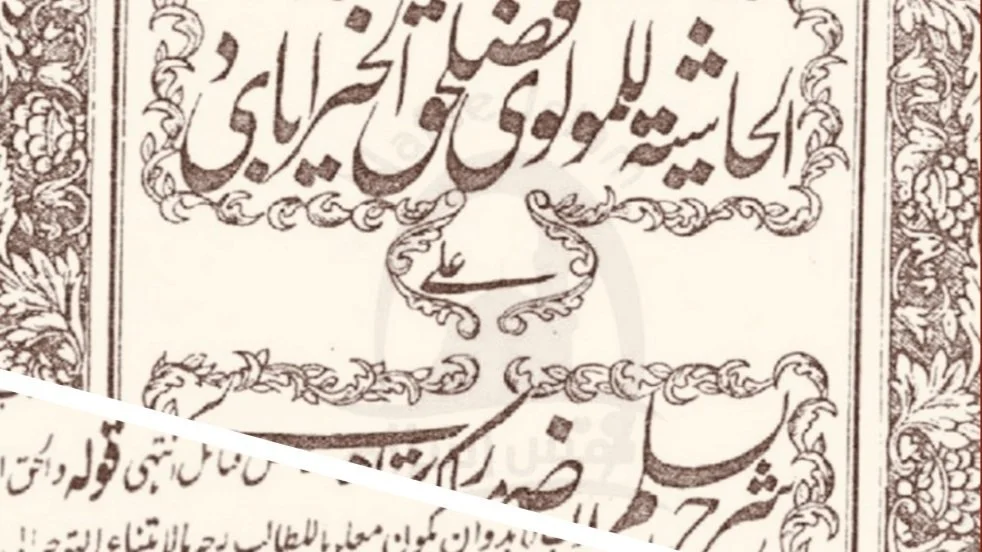
Chronicles of the Khairābādī Family: Rediscovering Our Lost Heritage
Discover the extraordinary Khairabadi family! Uncover their rich history, explore the lives of renowned male and female scholars, and rediscover our shared heritage in our new paper, 'Chronicles of the Khairabadi Family: Rediscovering Our Lost Heritage.'
Two Walī Allāhs, One Legacy
Shāh Walī-Allah Dehlawī is a widely celebrated figure from the Indian Subcontinent, whose scholarly importance is recognised globally. Those unfamiliar with the region recognise the exceptional scholarship of the late Mughal period through their familiarity with Shāh Walī-Allah Dehlawī. This recognition itself serves as a testament to his greatness.
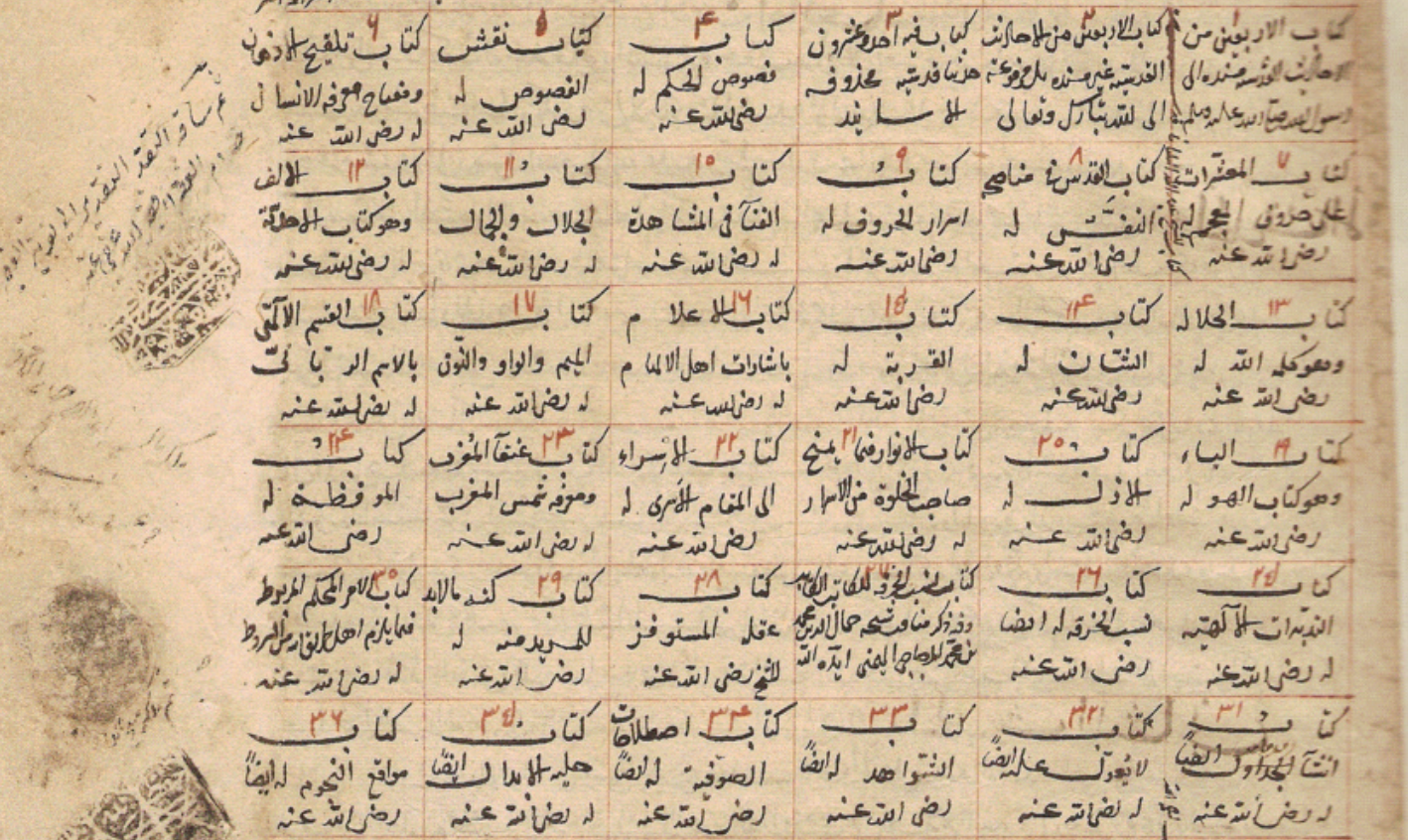
The Spirit of the Farangī Maḥall
Every Islamic tradition possesses a unique essence, a distinct quality or spirit that defines its identity. Within the Farangi Mahall intellectual tradition, this essence finds its embodiment in the figure of "The Greatest Shaykh, Muhyi al-Din Ibn 'Arabi, may Allah sanctify his secret. Central to the Farangi Mahall tradition stands 'Abd al-'Ali, renowned as Bahr al-'Ulum.
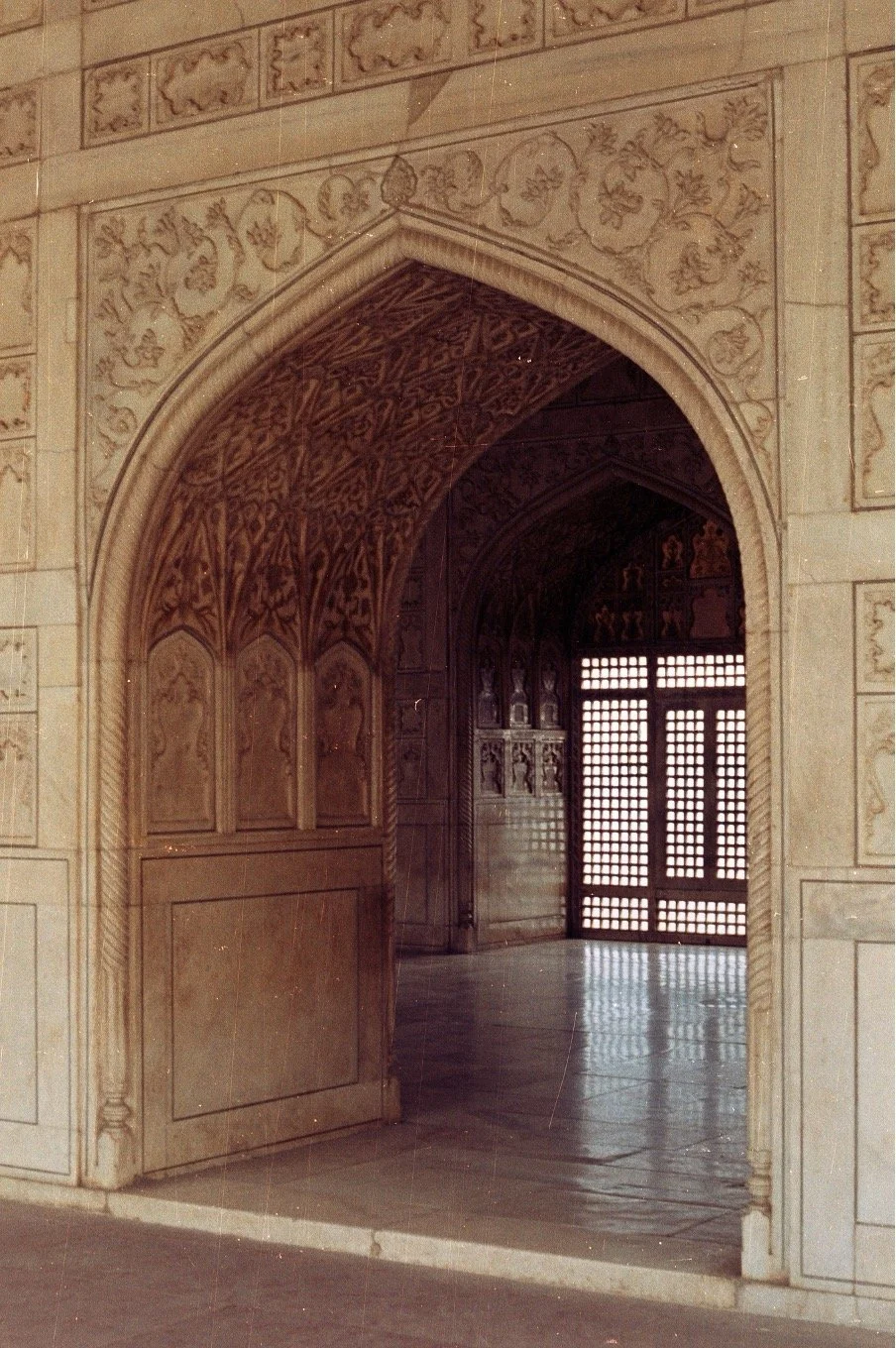
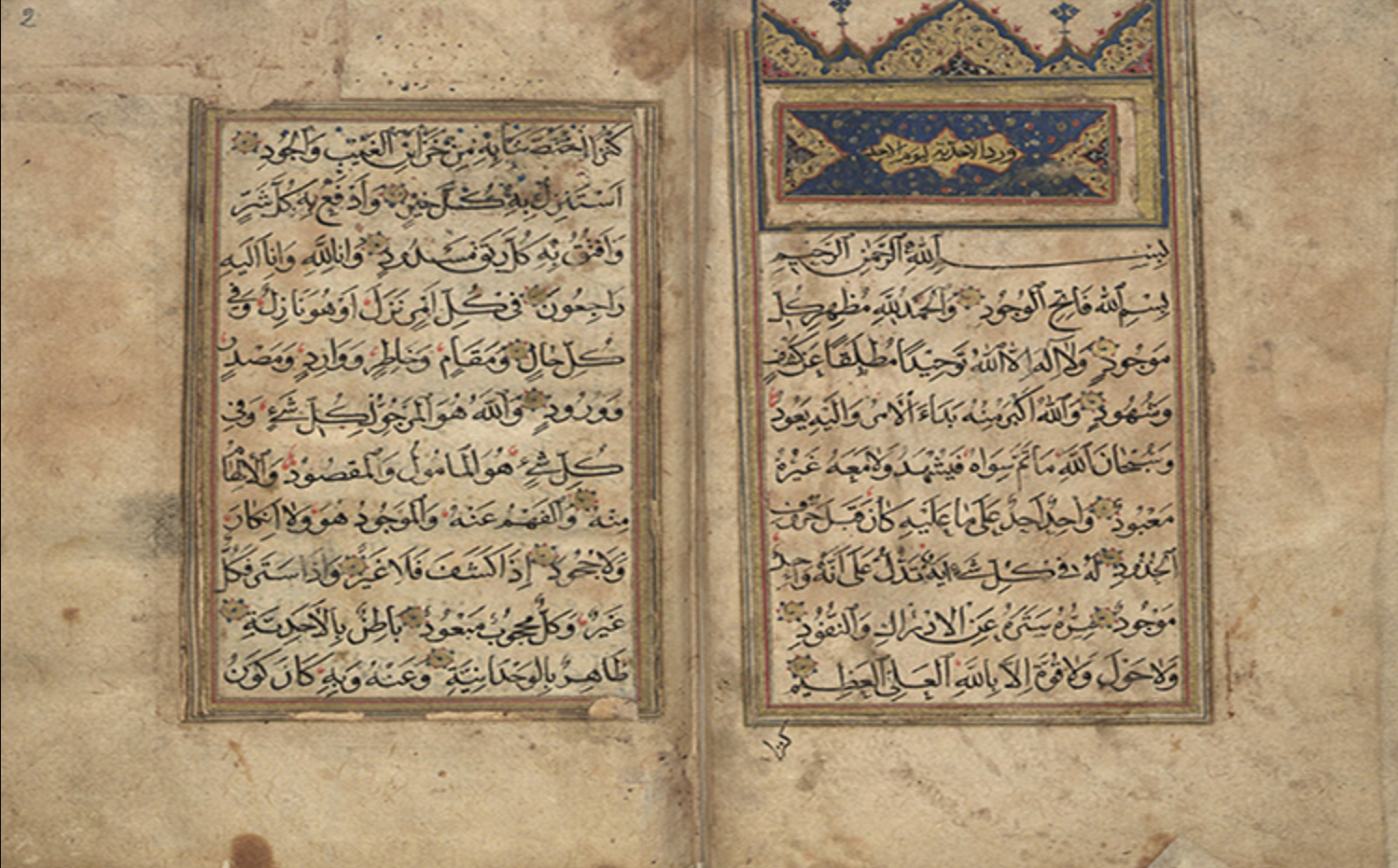
Ibn ʿArabī’s Influence on the Farangī Maḥallīs
The scholars of the Farangi Mahall and the Khairabadis held a deep reverence for al-Shaykh al-Akbar ibn Arabi. Mullā Nizāmuddīn, the namesake for the Dars-i-Nizāmī curriculum and a follower of the Chishti Sufi order, was known to teach the Fusus al-Hikam of Shaykh Muhyiddin Ibn Arabi.
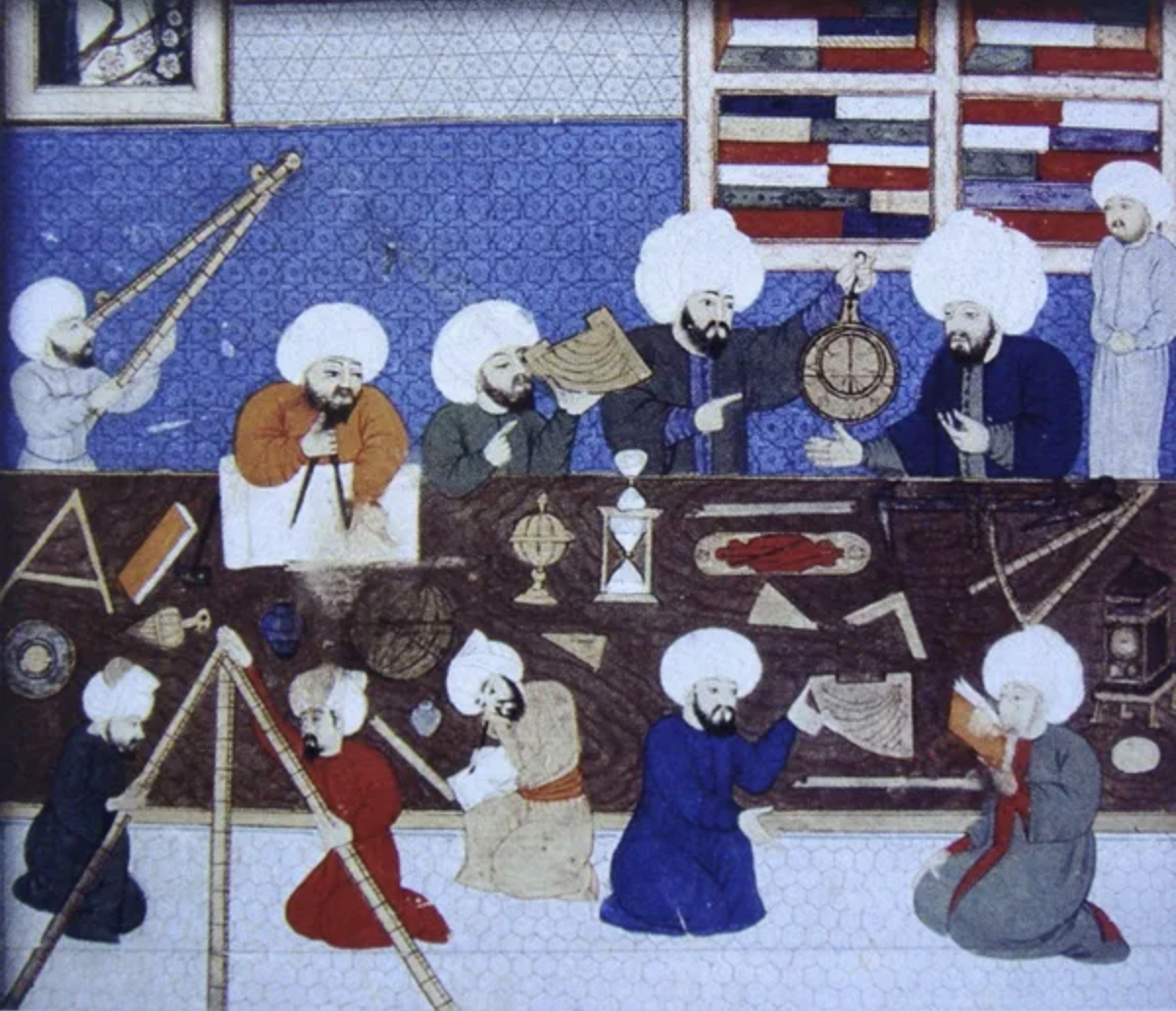
The Lineage of Scholarly Excellence
The scholars of the Farangi Mahall and their later offshoot, the Khairabadis, hail from a distinguished lineage of Islamic scholarship. Interestingly, despite being Maturidis (followers of Imam Maturidi), their chain of transmission ultimately leads back to al-Qadi al-Imam ‘Aḍud-Dīn Al-Ījī, a prominent Ashari scholar (follower of Imam al-Ash'ari). Imam Al-Ījī's intellectual lineage connects with the Imam of the Ahl-Sunnah, Imam Abu l-Hassan al-Ash'ari, through Imam Razi and Imam Ghazali.
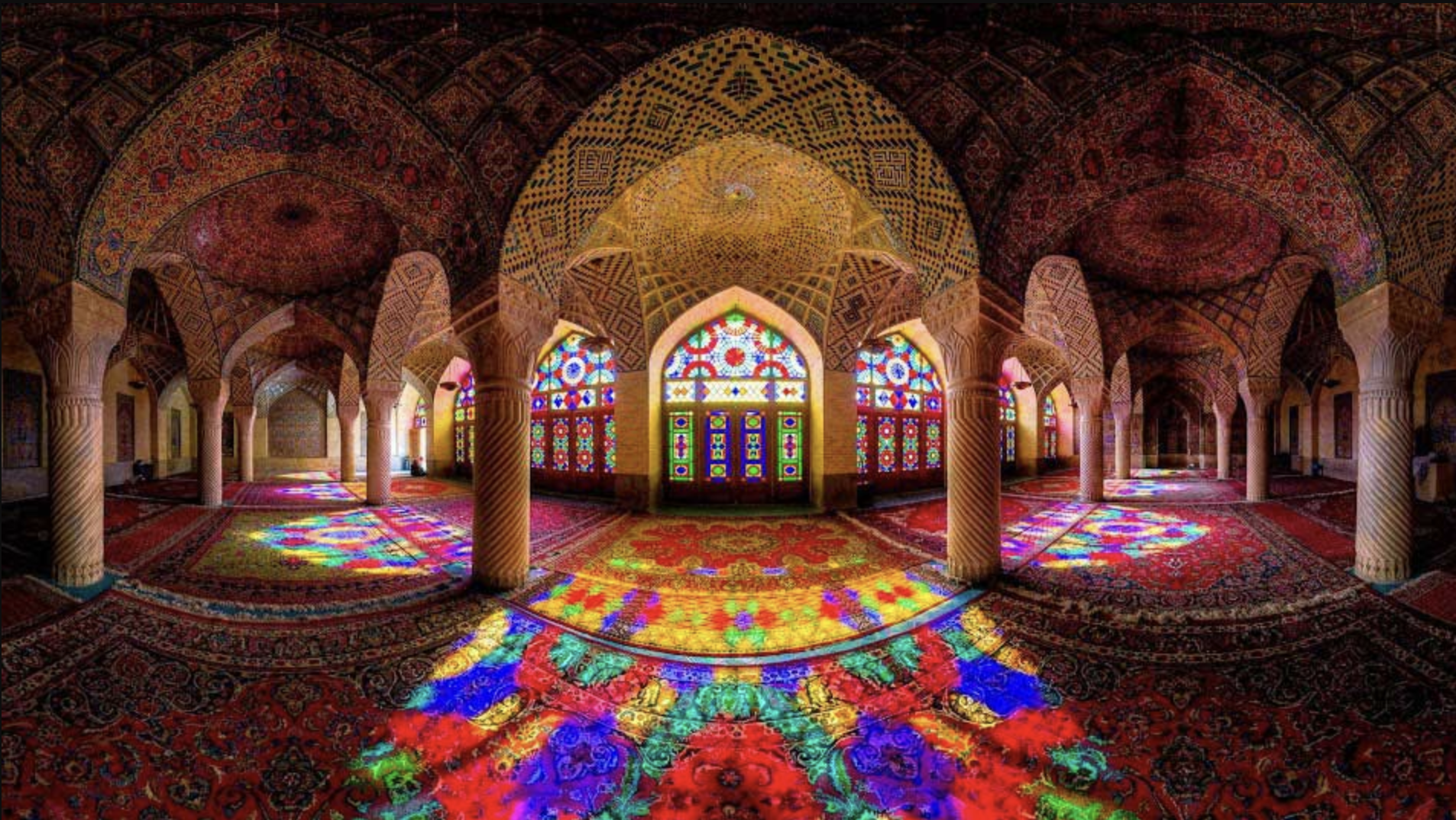
Shīrāz to the Farangī Maḥall
The Farangi Mahall tradition takes immense pride in its illustrious lineage of scholars. Recognising these influential figures helps us understand the foundation for the remarkable heights achieved by the Farangi Mahallis over the next three centuries.
The Legacy of the Farangī Maḥallī Lineage
The Ulama of Farangi Mahall were a remarkable family tracing their lineage back to the time of the Holy Prophet (Salutations & Peace be upon him), specifically to Hz. Abu Ayyub al-Ansari, who is acknowledged among the fuqaha & qurra of the Companions (Allah be pleased with them all).
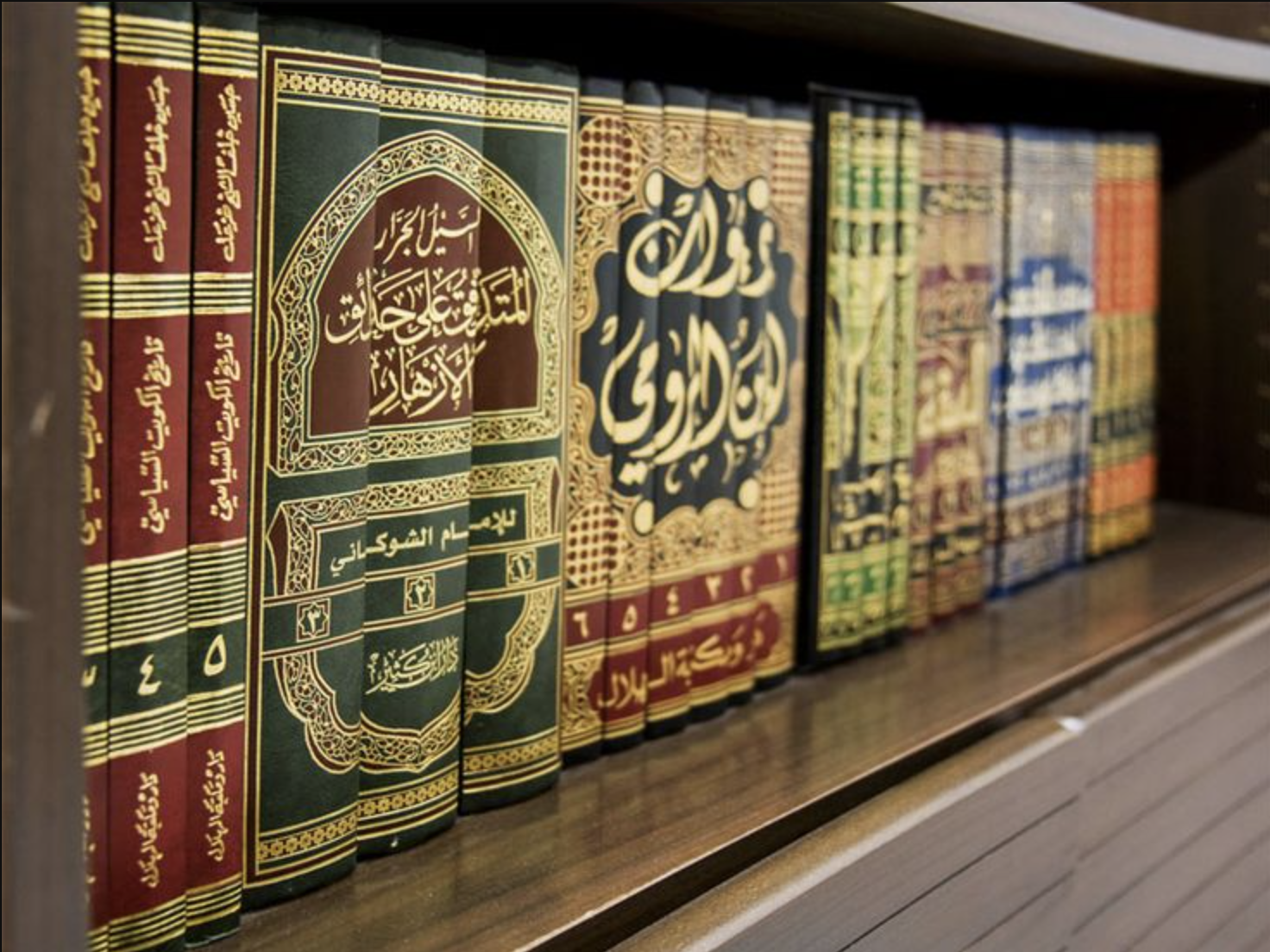
Origins of the Dars-i Niẓāmī
The Indian Subcontinent produced some of the greatest experts of the Islamic Sciences over the course of centuries. A significant contributor to this chain of prestige scholarship, especially in the last few centuries has been the Dars-e-Nizami curriculum, designed by one of the leading scholars of his age, Mulla Nizam al-Din Sihalwi (d. 1747 CE), after whom the curriculum is named.