
Writing
Essays, research, biographies, interviews and translations on the curriculum, pedagogy and scholars of the Farangī Maḥall and Khairābād.
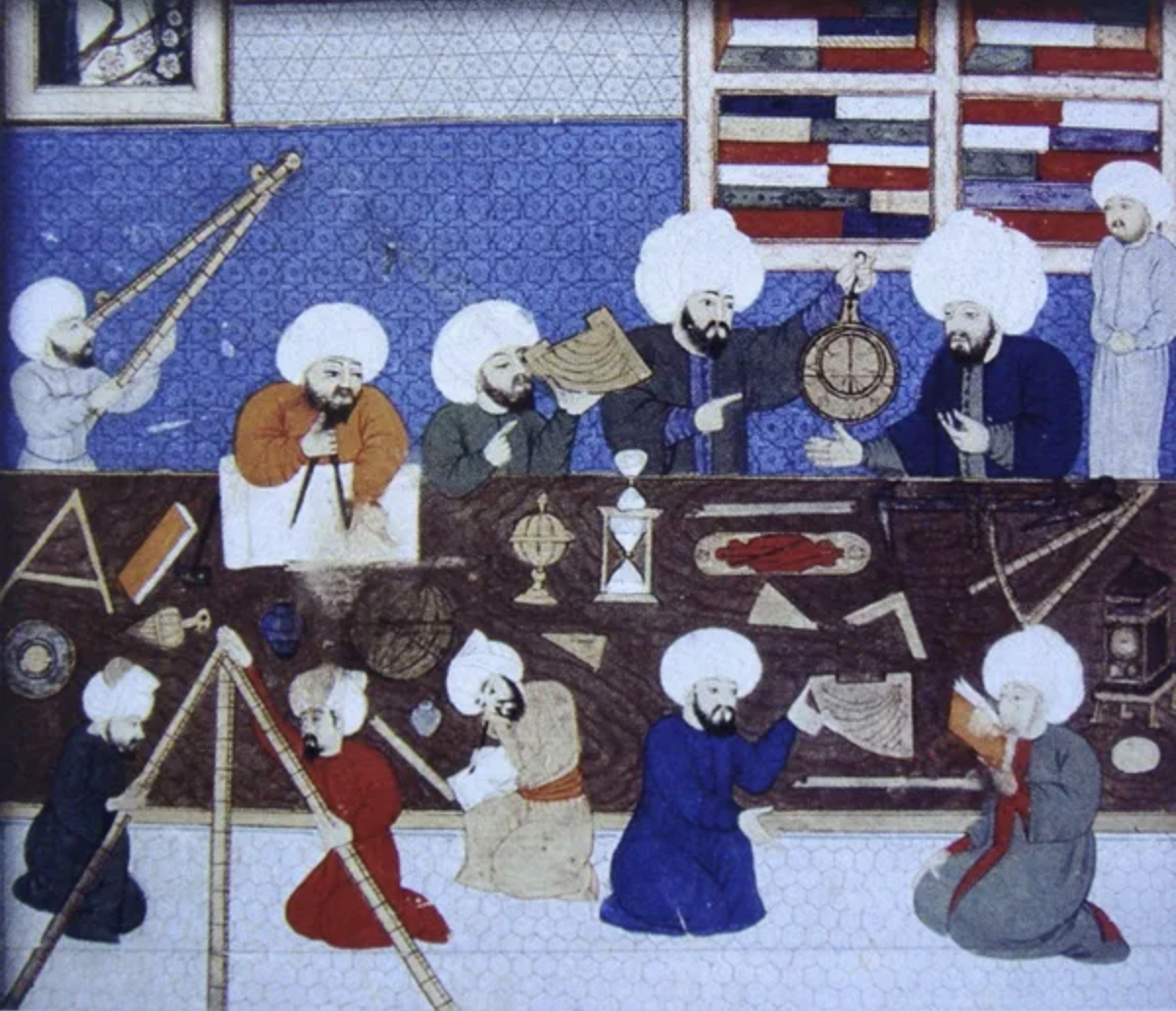
The Lineage of Scholarly Excellence
The scholars of the Farangi Mahall and their later offshoot, the Khairabadis, hail from a distinguished lineage of Islamic scholarship. Interestingly, despite being Maturidis (followers of Imam Maturidi), their chain of transmission ultimately leads back to al-Qadi al-Imam ‘Aḍud-Dīn Al-Ījī, a prominent Ashari scholar (follower of Imam al-Ash'ari). Imam Al-Ījī's intellectual lineage connects with the Imam of the Ahl-Sunnah, Imam Abu l-Hassan al-Ash'ari, through Imam Razi and Imam Ghazali.
Kalām for Islam’s Defenders
Traditional works of Islamic Theology serve as a treasure trove for contemporary defenders of Islam's pure Creed. Early Sunni Mutakallimun (theologians) were masters at deconstructing philosophies of their time and earlier periods. They directly engaged with these ideas using sound & rational arguments against them while fiercely defending the purity of Islamic beliefs.
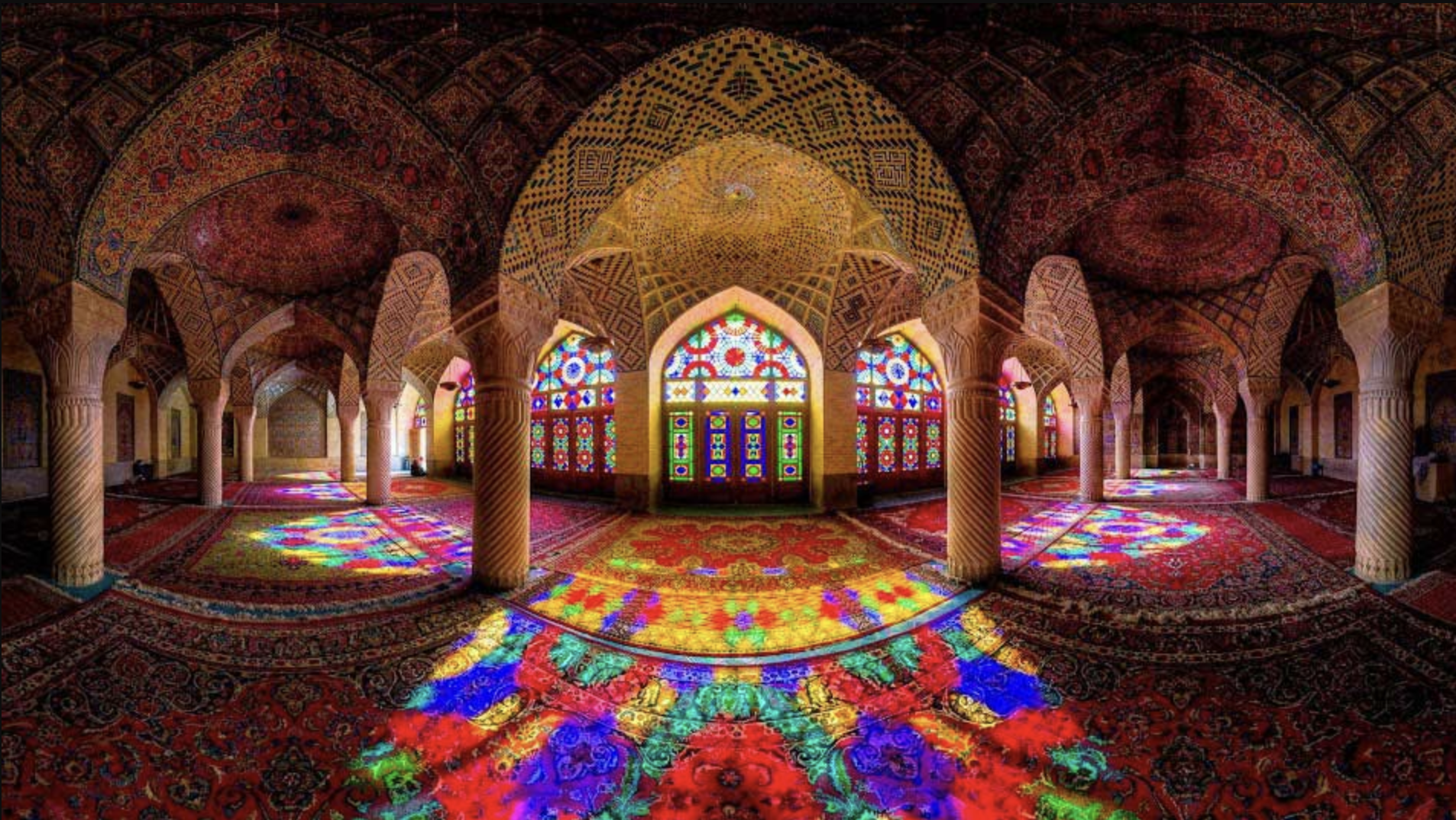
Shiraz to the Farangī Maḥall
The Farangi Mahall tradition takes immense pride in its illustrious lineage of scholars. Recognising these influential figures helps us understand the foundation for the remarkable heights achieved by the Farangi Mahallis over the next three centuries.
The Legacy of the Farangī Maḥallī Lineage
The Ulama of Farangi Mahall were a remarkable family tracing their lineage back to the time of the Holy Prophet (Salutations & Peace be upon him), specifically to Hz. Abu Ayyub al-Ansari, who is acknowledged among the fuqaha & qurra of the Companions (Allah be pleased with them all).
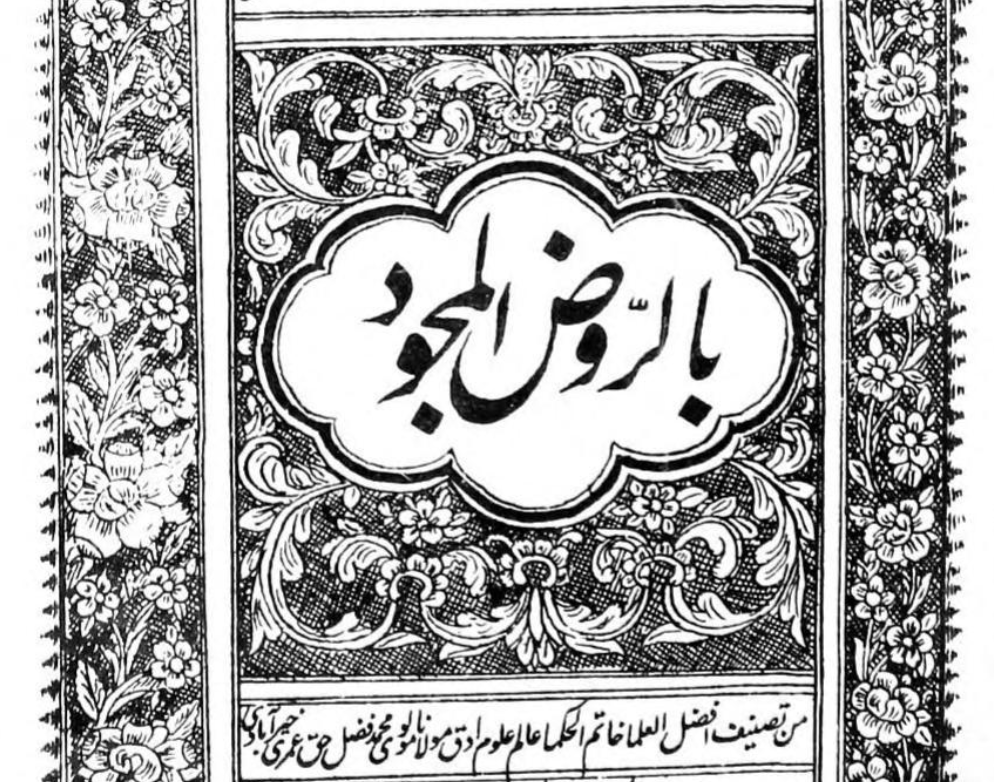
Al-Rawd al-Majud
Allama Fazl-e-Haq Khairabadi was not only an Imam in the transmitted and rational sciences, but also a Chishti Sufi in his spiritual practice (suluk). A profound defender of the concept of wahdat al-wujud, he wasn't a mere follower (muqallid) in this matter.
Origins of the Dars-i Niẓāmī
The Indian Subcontinent produced some of the greatest experts of the Islamic Sciences over the course of centuries. A significant contributor to this chain of prestige scholarship, especially in the last few centuries has been the Dars-e-Nizami curriculum, designed by one of the leading scholars of his age, Mulla Nizam al-Din Sihalwi (d. 1747 CE), after whom the curriculum is named.