
Writing
Essays, research, biographies, interviews and translations on the curriculum, pedagogy and scholars of the Farangī Maḥall and Khairābād.
Verified Solutions to Modern Intellectual Anxieties
Days ago, I concluded a one-hour conversation with a student of Khairabadi Institute, who shared some objections made against the Khairābādī-Farangī Maḥallī methodology of teaching. The core of the argument was its supposed irrelevance and the claim that it has been eclipsed by superior methods, rendering this pedagogical framework obsolete. Thankfully, the objections and their corresponding responses, along with related discussions, have been thoroughly documented, and I now present them to you.
Al-Ījī’s al-Mawāqif in the Indian Subcontinent
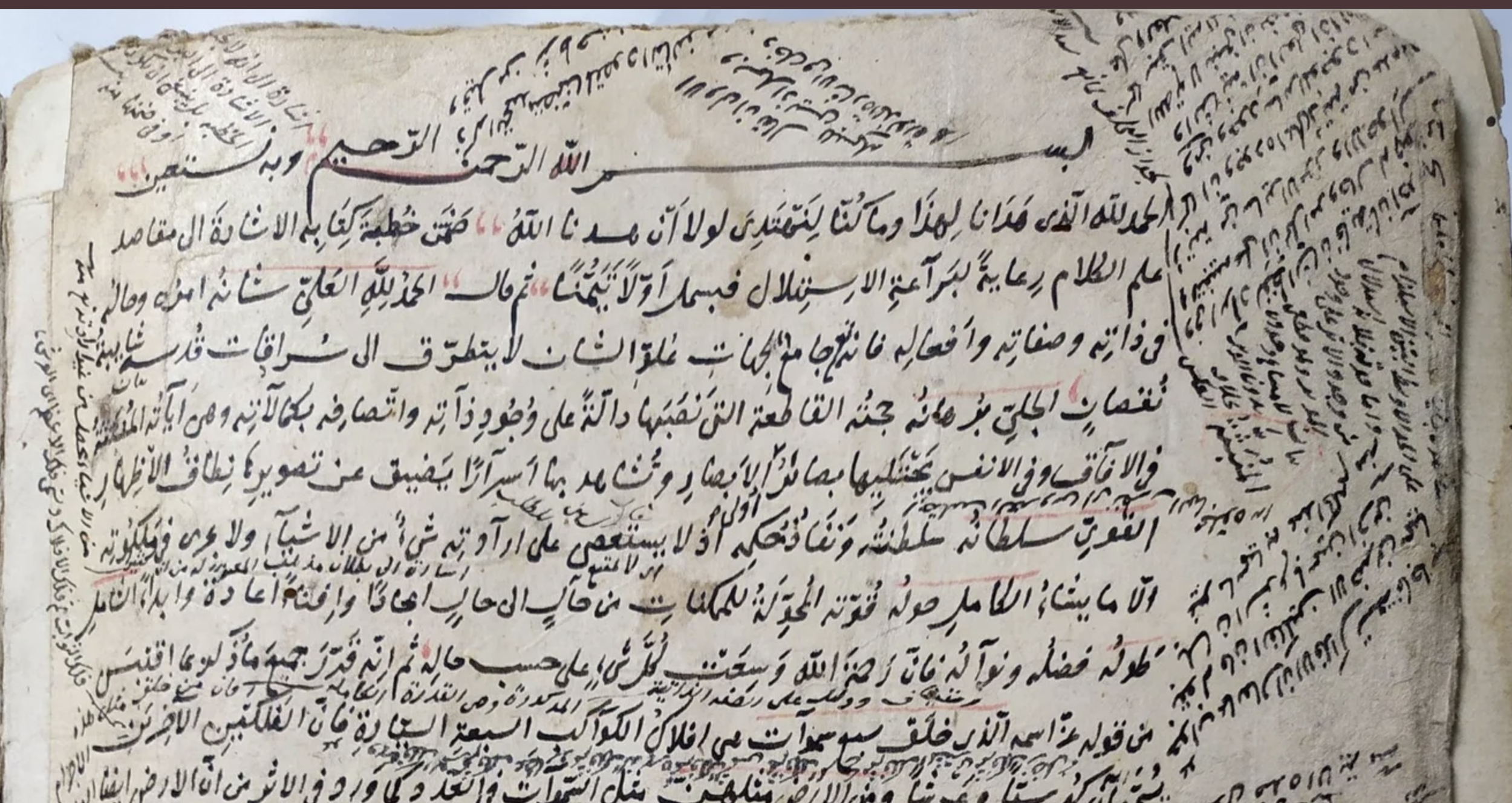
Qādi Aḍud al-dīn al-Ījī’s renowned work, ‘al-Mawāqif fī ‘ilm al-kalām’, and its accompanying commentaries emerged as pivotal texts within the Sunnī madrasah curriculum from the fourteenth century CE onwards.
Imām ʿAḍud al-Dīn al-Ījī
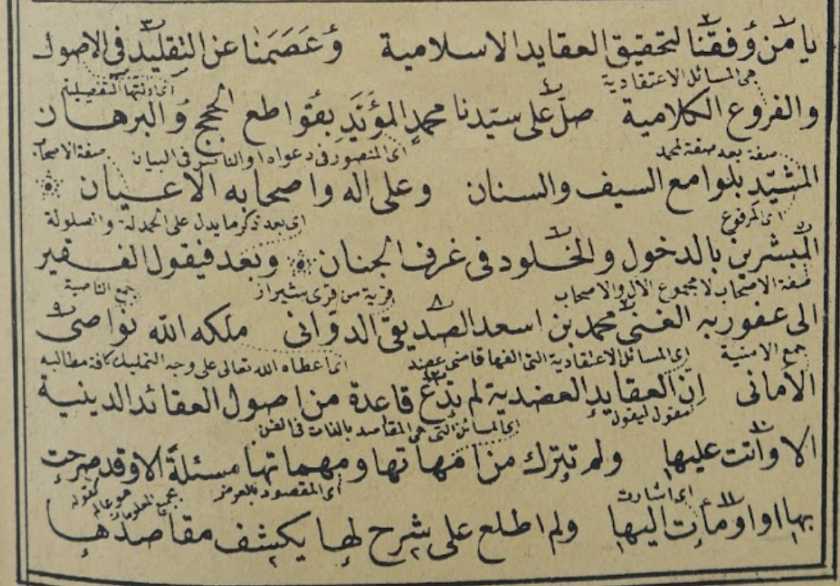
Imām ʿAḍud al-Dīn al-Ījī (AH 680–756/1281–1356 CE) served as a renowned Muslim theologian and jurist during the Il-khanid era. Originating from a distinguished lineage of scholars and jurists in Īg, near the strait of Hormuz in the Persian Gulf, he pursued a career in the court of the Mongol dynasty, particularly under the Il-khanids in Tabriz.
Beyond Logic
Traditional Sunni Kalam is a paradigm of thinking that aligns with truth and provides rational explanations for theological concepts. It arose in response to heretical beliefs and groups.
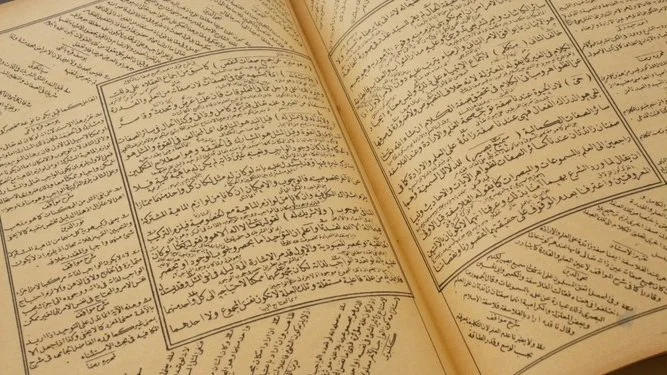
Kalām for Islam’s Defenders
Traditional works of Islamic Theology serve as a treasure trove for contemporary defenders of Islam's pure Creed. Early Sunni Mutakallimun (theologians) were masters at deconstructing philosophies of their time and earlier periods. They directly engaged with these ideas using sound & rational arguments against them while fiercely defending the purity of Islamic beliefs.
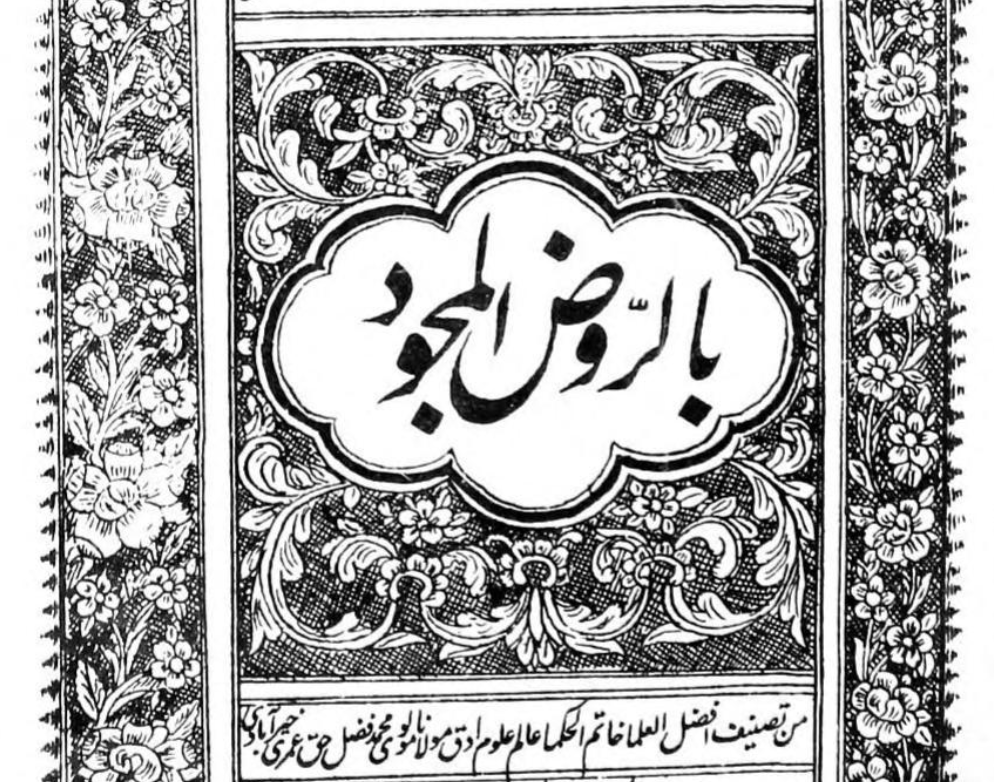
Al-Rawḍ al-Majūd
ʿAllāmah Fazl-e-Haq Khairabadi was not only an Imam in the transmitted and rational sciences, but also a Chishti Sufi in his spiritual practice (suluk). A profound defender of the concept of wahdat al-wujud, he wasn't a mere follower (muqallid) in this matter.